
Horror Novels in Urdu – Read Online
Horror Novels in Urdu – Read Online
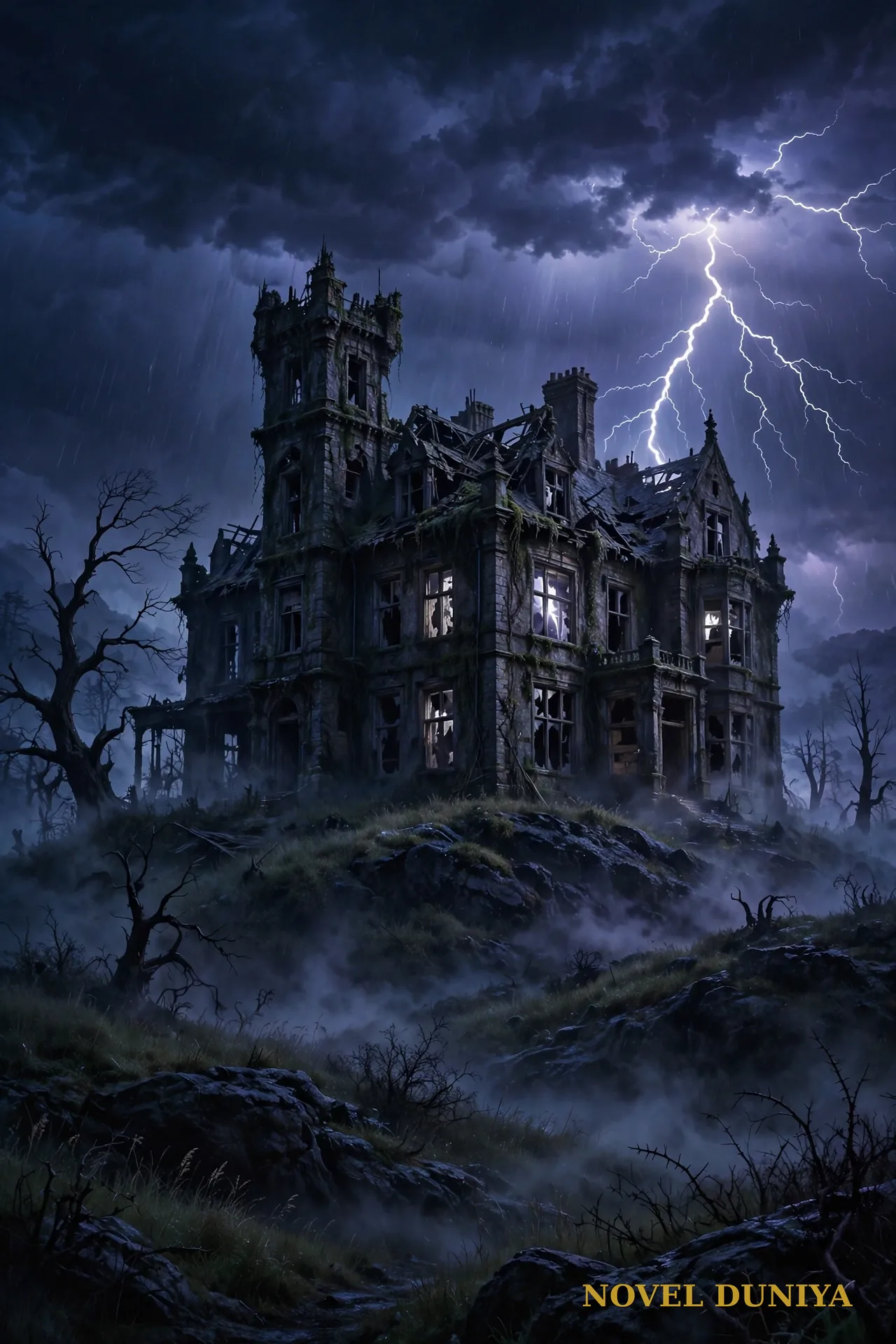
Horror Urdu novels are supernatural stories rooted in South Asian and Islamic folklore — jinn, churail, haunted havelis, and possession tales that have thrilled Pakistani readers for generations. From digest-era classics by Anwar Aligi and M.A. Rahat to modern jinn romances and vampire series, Urdu horror builds its dread on atmosphere and belief rather than gore.
If you grew up hearing darawani kahaniyan on winter nights and want the best horror Urdu novels in full novel form, this guide is for you. Below: what defines the genre, the classic pillars, the modern horror Urdu novels worth your time, and honest reading guidance.
- Genre: Supernatural horror rooted in Islamic and South Asian folklore
- Signature figures: Jinn, churail, haunted havelis, black magic, possession (asaib)
- Classic masters: Anwar Aligi, M.A. Rahat, Seema Ghazal, Anwar Siddiqi
- Modern wave: Jinn romances, vampire series, suspense-horror novelettes
What Defines Horror Urdu Novels
The unseen world is real. In Islamic belief, the ghaib (unseen) exists — jinn are beings of smokeless fire who share our world unseen, the evil eye is real, and protection comes through faith. Urdu horror novels work inside this framework. When they say “this could happen,” many readers feel in their bones that it could. That is a weight purely fictional monsters can’t match.
Atmosphere over gore. Classic Urdu horror builds dread slowly: the creaking door, the cold spot in the room, the thing glimpsed at the edge of vision. Fear arrives page by page, not in shocks.
Moral undertones. The haunted are often those who wronged someone. The ghost is frequently not the villain but the victim — a wronged soul demanding the justice the living denied. Horror becomes a vehicle for supernatural justice.
Folk horror roots. Tales of village life, old customs, graveyards at the village edge, the old well no one drinks from — horror that feels like it could unfold in your own ancestral village.
The Classics: Pillars of Urdu Horror
These are the names and titles that built the genre of horror Urdu novels. Digest magazines carried their stories to millions, and their work still sets the standard.
Basera by Anwar Aligi — a cursed family home where reality collapses and nightmares turn real. Psychological, supernatural, and suspenseful, it remains one of the most searched and discussed Urdu horror novels ever written. Aligi, an M.A. in Urdu literature and former joint editor at Akhbar-e-Jehan, is among the most influential horror writers in the language.
Safaid Mahal by Anwar Aligi — his acclaimed horror masterpiece, the book that proved his command of the genre.
The horror-thriller digests of M.A. Rahat, Seema Ghazal, and Anwar Siddiqi — the khofnak purisrar sansani-khaiz (horror-mystery-sensational) tradition. Rahat in particular built a career on supernatural thrillers; his jinn-horror novel Bad Rooh is still cited as a benchmark readers compare new horror against.
Aatish Parast by Wajiha Sehar — a suspense thriller about jinn, published in the digest tradition. Sehar wrote many novels in this vein for Family Magazine.
Muqaddas Taboot by Pervez Bilgrami — horror-mystery set against Bengal’s black-magic traditions: a young girl accidentally wakes an evil shape-shifting creature, and power-seekers make her life hell.
Jinn Zaad by Sanjeeda Khatoon — “Son of a Jinn.” A classic full-length horror novel from a well-known digest writer and drama scriptwriter, published in seven parts.
Modern Horror Urdu Novels Worth Your Time
The new generation keeps the tradition alive — jinn romances, vampire series, and tight suspense novelettes.
Rooh E Jin by Mawra Baloch — a young protagonist’s terrifying encounter with a mysterious jinn, weaving fear, forbidden love, and resilience. Baloch blends horror with her signature emotional storytelling rather than relying on jump scares.
Crystal Eyes by Ujala Naz — suspense, mystery, and supernatural elements in a chilling storyline full of twists.
The Volverine by Noor Rajpoot — horror, mystery, and supernatural fiction from a writer known for crossing genres. Rajpoot’s supernatural shelf also includes The Medium and Sulphite.
Bloody Vampire by Zarnoor Writes — vampire horror from a popular contemporary writer.
The Vampire Adyan series by Tahbeer Khan — a vampire saga continuing into the next generation.
Darinda (Adam Khoor) by Sajeela Nisar — “the beast, the man-eater”: a short horror novel set in London, where something climbs building walls on stormy nights.
Talsum Araa by Salman — fantasy-horror about a jinn princess, a stolen magic lamp, and a punishment lasting a hundred years.
Jinn Zadi Se Shadi by Mehr-un-Nisa — “marriage with a jinn’s daughter”: a short horror-romance narrated in the first person.
Haibatnaak Ghar by Nazia Shazia — five friends, a car out of petrol, and a lonely haveli they should never have entered. Shazia also wrote Agli Baari Tumhari Hai, a horror story set in 1632.
Chaar Ratein by Faizan Ahmed — four nights a man will never forget, told in the first person. Ahmed also wrote the suspense novel Uraan.
Tell Me Your Name by Samaa Chaudhary — a short horror novelette the writer herself calls “a love story full of mysterious events.”
Maut Ka Jazeera by Isha Gill — friends spending holidays on a mysterious island; adventure-horror in short form.
Be-Rukhi by Dr Hadiqa Hassan — a lonely night at home that slowly turns into something much darker.
Why Readers Love Horror Urdu Novels
- Chills rooted in familiar cultural beliefs — the fear feels real
- Slow-burn atmosphere that builds dread page by page
- Supernatural mysteries with satisfying revelations
- Moral depth — horror that means something beyond the scare
- Perfect winter-night reading
- A living connection to Pakistan’s folklore and dastan tradition
- Emotional stakes — you care about the people being haunted
Who Should Read Horror Urdu Novels (and Where to Start)
Horror Urdu novels are best for teens and adults — some titles are genuinely intense. If you’re new to the genre, start with atmospheric, story-driven titles rather than the darkest ones. Let the dread build gradually.
A sensible path: begin with the modern novelettes (short, complete, easy to finish in a sitting), then move to the digest-era classics like Basera once you’ve developed a taste for slow-burn fear. And maybe — just maybe — don’t read the haunted-haveli chapters alone at 2 AM.
A gentle note: these stories deal with fear, death, and the supernatural. If horror themes ever feel genuinely distressing rather than entertaining, it’s perfectly fine to step away and talk to someone you trust.
Reading Them Honestly
Novel Duniya is building an honest library of Urdu novel guides. We don’t host pirated PDFs or promise downloads we can’t provide. For horror classics, check established publishers, bookstores, and legitimate online booksellers; for contemporary titles, the writers’ official pages and recognized reading platforms are the right place to look.
Urdu horror is a treasure of our literature — the genre where our oldest fears meet our best storytelling. If you’ve never explored it, you’re in for some deliciously sleepless nights.
Frequently Asked Questions
What are horror novels in Urdu?
Urdu fiction centred on the supernatural — jinn, ghosts, haunted places, possession, black magic — rooted in South Asian and Islamic folklore.
Which are the most famous horror Urdu novels?
Classics include Basera and Safaid Mahal by Anwar Aligi, the horror-thrillers of M.A. Rahat, Jinn Zaad by Sanjeeda Khatoon, and Muqaddas Taboot by Pervez Bilgrami. Modern standouts include Rooh E Jin by Mawra Baloch and Crystal Eyes by Ujala Naz.
What supernatural beings appear in Urdu horror?
Jinn are the most common, along with churail (vengeful female spirits), saya (shadow presences), vampires in newer fiction, and folk entities from regional traditions.
Is Urdu horror based on real beliefs?
It draws on real folk and religious beliefs about the unseen world (ghaib), which is exactly why it frightens so effectively.
Are horror novels suitable for all readers?
They’re best for teens and adults. New readers should start with milder, atmospheric stories rather than the most intense titles.
Where can I read horror Urdu novels?
Novel Duniya provides honest reading guides — look for legitimate publishers, bookstores, and the writers’ official platforms rather than piracy sites promising free PDFs.

