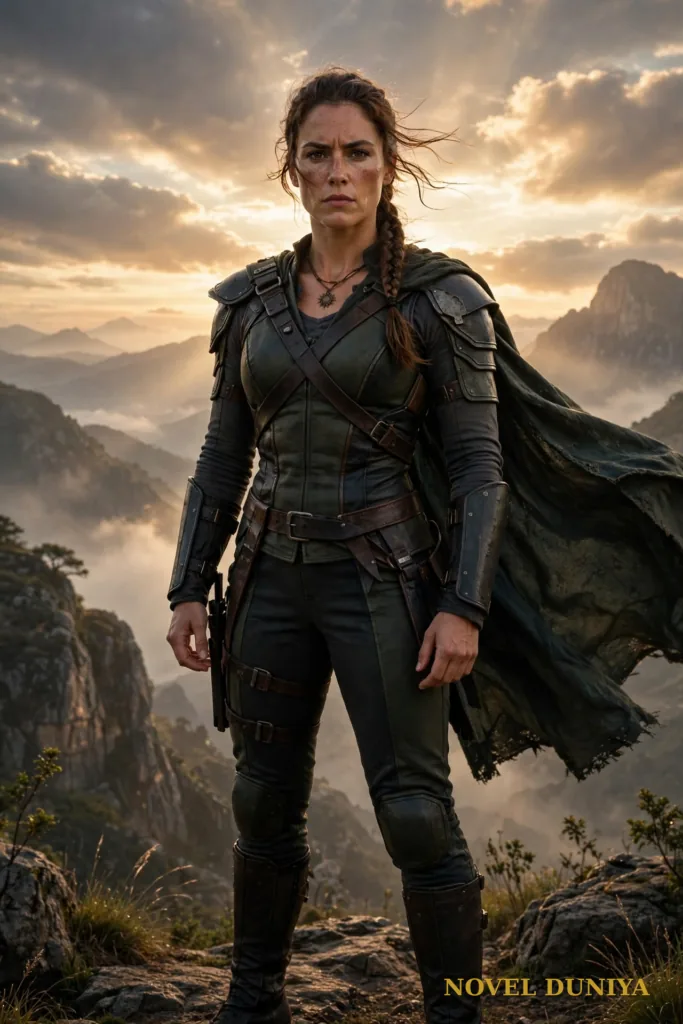
Strong Heroine Urdu Novels – Mazboot Heroine
Strong heroine Urdu novels put the heroine in the driver’s seat: she makes the hard calls, pays the price for them, and changes the course of the story herself. She might be a career woman protecting her ambitions, a wronged wife demanding her dignity, or a young woman defying her entire family — whatever her shape, her choices move the plot. This guide explains what real strength looks like in Urdu fiction, maps the confusing labels it keeps getting mixed with, and points you to verified novels where the heroine genuinely carries the story — with honest warnings about the tag’s overuse.
Quick summary:
– The promise: a heroine whose decisions — not just her suffering — drive the plot
– Key test: does she choose, and does her choice cost her something? If yes, she is strong
– Verified anchors: Ehl e Ishq by Shumaila Hassan, Wafa e Yaar by Husny Kanwal, Azmaish by Arooba Masood, Quwat-E-Parwaz by Seema Shahid, Ashab ur Raqeem by Haneen Mukhtar, plus classics Peer-e-Kamil, Zindagi Gulzar Hai, Mushaf
– Honest caveat: “strong heroine” tags are inflated online — many tagged heroines only shout once; this guide gives you a test to tell the difference
– Core fantasy: respect without rescue — a love story where he admires her spine
[IMAGE: hero — strong-heroine.jpg — alt: “Strong heroine Urdu novels – fearless female leads”]
How Urdu Novels Build a Strong Heroine
Strong heroine Urdu novels do not hand their heroine strength like a costume — they build it through a four-beat engine you can spot in every genuine example. First comes the wound: a betrayal, a loss, a forced situation that puts her back against the wall. Second comes the choice: instead of surrendering, she picks a direction — she fights, she leaves, she negotiates, she endures on her own terms. Third comes the cost: the choice hurts her — lost comfort, lost relationships, lost safety. Fourth comes the consequence: her decision changes what happens next in the story.
That engine is the difference between a strong heroine and a decorative one. In weaker novels, events happen to the heroine and the plot rolls on regardless of what she does. In strong heroine Urdu novels, remove her choices and the plot collapses — nothing moves without her.
This matters because platform tags lie. The words “strong heroine” appear in thousands of novel blurbs, applied to any heroine who raises her voice in one scene. Run the four-beat engine test instead: wound, choice, cost, consequence. If all four are present, the tag is honest.
Strong vs Bold vs Rude: The Three-Way Map
Search results blur three different heroines into one, so here is the map nobody else gives you. A strong heroine is defined by agency and principle — she decides and she stands by it, quietly or loudly. A bold heroine is defined by outspokenness and rule-breaking — she shocks the room, speaks her mind, sometimes provokes. A rude heroine is defined by temperament — sharp-tongued, proud, quick to bite.
They overlap but they are not the same. A bold heroine can be strong, but shouting is not strength. A rude heroine can grow into strength, but rudeness is a personality, not a moral compass. And the quietest woman in the room can outshine them all if she is the one making the principled calls.
The sharpest confusion of all: strength is not loudness. The heroine who argues with everyone may just be rude. The heroine who suffers in silence may be trapped. True strength looks like principled action under pressure — the moment she could take the easy path and doesn’t. Keep that sentence in your pocket and no inflated tag will fool you again.

The Five Faces of the Strong Heroine
Urdu fiction returns to the same five shapes again and again. Learn them and you will recognize the trope anywhere.
The resilient wife. Wronged, betrayed, or forced into marriage — but she refuses silent suffering. She demands dignity, sets terms, and sometimes rebuilds the marriage on her own conditions. Ehl e Ishq by Shumaila Hassan gives her the sharpest modern form: a heroine navigating secret agents, mafia, and a second marriage without losing her spine. Phir Mausam e Gul Ne Pukara Hai by Rukhsana Nigar Adnan centers a woman who chooses self-respect over silent suffering after marriage.
The ambitious professional. The classic face — the doctor, the scholar, the career woman who built herself. Umera Ahmed’s Peer-e-Kamil (Imama) and Zindagi Gulzar Hai (Kashaf) are the famous pair, and Nimra Ahmed’s Mushaf belongs on the same shelf. Ehsas Ke Dareeche by Sana Zafar brings the office version: a strong heroine facing down a rude boss.
The moral rebel. The girl who defies her family, her tribe, or her entire society for what is right. Kar Chale Jaan Nisar Hum by Sania Umair belongs here — a social novel of youth, rights, and the fight against injustice. Azmaish by Arooba Masood pairs a veiled heroine with murder, trauma, and revenge and still keeps her courage intact.
The survivor of faith. The heroine whose strength is spiritual — patience as strategy, belief as armor. Ashab ur Raqeem by Haneen Mukhtar weaves faith, mystery, and hidden identities around its heroine’s trials. Quwat-E-Parwaz by Seema Shahid (the title means “the power of flight”) traces emotional resilience through love’s colors.
The chaotic fighter. Strength with rough edges — she makes mistakes, she rages, she is not always likeable, but she never surrenders her agency. Harb e Umeed by Umaima Farooq names this shape in its blurb: “strong yet chaotic heroines” in a war of hope. Wafa e Yaar by Husny Kanwal pairs a strong heroine with a rude hero, an age gap, and a haveli — and she holds her ground in all of it.
The Honest Part: Where Strong Heroines Fade
No honest guide skips this. Even the most celebrated strong heroines in Urdu fiction often lose their independence in the final chapters. The career woman’s office life vanishes after the nikah. The rebel’s defiance melts into domestic harmony. The ambitious scholar’s story ends at the wedding, not at her next achievement.
This is the pattern readers feel but rarely see named: strength is strongest in the first half. Before marriage, the heroine fights, chooses, grows. After marriage, many novels gently retire her from the battlefield. It does not make these novels bad — the journey still matters — but it does mean you should read the tag with this pattern in mind. A heroine who is strong for 60 chapters and quiet for the last 10 still gave you 60 chapters worth reading.
There is also the loudness trap from the other direction: some novels mistake cruelty for strength. A heroine who humiliates servants and insults elders is not strong — she is just unpleasant. Strength needs a moral center. Cruelty is weakness wearing a loud voice.
The Strength–Weakness Mirror
Every strong heroine has a shadow on the next shelf: the weak heroine — the masoom, suffering girl whose power is endurance rather than action. The two tropes are siblings, and readers who love one often secretly read the other. The difference is the engine: the strong heroine acts, the weak heroine endures.
Neither is better. Endurance is its own courage, and many readers prefer the tearjerker’s emotional catharsis to the fighter’s triumph. If you want to explore that shelf, our weak heroine guide maps it with the same honesty — including which “weak” heroines are actually the strongest of all.
Top Strong Heroine Novels to Start With
For ambition and career: Peer-e-Kamil by Umera Ahmed, Zindagi Gulzar Hai by Umera Ahmed, Mushaf by Nimra Ahmed — the canon. Expect brilliant heroines and the marriage-erosion pattern noted above.
For suspense with spine: Ehl e Ishq by Shumaila Hassan (second marriage, forced marriage, secret agents, mafia), Azmaish by Arooba Masood (murder mystery, revenge, trauma). Strength tested under fire.
For emotional resilience: Wafa e Yaar by Husny Kanwal (rude hero, age gap, haveli, after-marriage), Phir Mausam e Gul Ne Pukara Hai by Rukhsana Nigar Adnan (dignity over silent suffering), Quwat-E-Parwaz by Seema Shahid.
For faith and inner strength: Ashab ur Raqeem by Haneen Mukhtar (ongoing — faith, mystery, hidden identities), Silsilay Dil K by Aisha Naseer Ahmed (patience, family values, emotional resilience).
For the fight itself: Kar Chale Jaan Nisar Hum by Sania Umair (rights, reform, injustice), Harb e Umeed by Umaima Farooq (ongoing — chaotic heroines, betrayal, second marriage).
[IMAGE: body — strong-heroine-reading.jpg — alt: “Top strong heroine Urdu novels with fearless female leads”]
Who Will Love This Shelf
If you are tired of heroines who only cry beautifully while the plot happens around them, this shelf is your home. If you want the romance and the respect — a hero who falls for her mind before her face — start here. And if you sometimes crave the opposite, the tearjerker where she suffers and you weep with her, the weak heroine shelf is waiting without judgment.
One last caution: tags are inflated everywhere. Use the four-beat engine — wound, choice, cost, consequence — and the five faces above. A heroine who chooses under pressure is strong. Everything else is decoration.
Frequently Asked Questions
Q1. What are the best strong heroine Urdu novels?
Reader favorites include Ehl e Ishq by Shumaila Hassan, Wafa e Yaar by Husny Kanwal, Azmaish by Arooba Masood, Quwat-E-Parwaz by Seema Shahid, and the classics Peer-e-Kamil, Zindagi Gulzar Hai, and Mushaf. Each shows a different face of strength, from emotional resilience to professional ambition.
Q2. What is the difference between a strong heroine and a bold heroine?
A strong heroine is defined by agency and principle — she decides and stands by it. A bold heroine is defined by outspokenness and rule-breaking. They overlap, but boldness is about breaking norms while strength is about standing firm. A quiet heroine can be stronger than a loud one.
Q3. Which Umera Ahmed novel has the strongest heroine?
Peer-e-Kamil (Imama) and Zindagi Gulzar Hai (Kashaf) are the most cited — both heroines are ambitious, intelligent, and independent. One honest note: even these heroines’ professional lives fade after marriage, so the strength shines brightest in the novels’ first halves.
Q4. Are strong heroine novels the same as feminist novels?
Not exactly. They center a capable female lead inside a romance framework — the love story still matters. They carry feminist energy, but their first promise is an engaging romance with a heroine who holds her own.
Q5. What is a rude heroine novel? Is it the same thing?
No. A rude heroine is sharp-tongued and proud — a temperament, not a measure of strength. Rudeness alone never made a heroine strong, just as silence never automatically made one weak.
Q6. Do strong heroine novels have happy endings?
Most Urdu romances end happily, but the better ones make her earn the ending through her own choices instead of handing her a rescue. Phir Mausam e Gul Ne Pukara Hai is a fine example of a dignity-driven resolution.
Q7. Where can I find more novels with powerful female leads?
Start with the verified titles in this guide, then explore the bold heroine novels for a bolder flavor and the weak heroine guide for the mirror shelf — where endurance itself becomes strength.
Publish Checklist
- [ ] Last-updated date set
- [ ] Real author bio attached
- [ ] FAQ schema (JSON-LD) added for the 7 questions
- [ ] Internal links verified: /weak-heroine-urdu-novels/, /bold-heroine-urdu-novels/, /innocent-heroine-urdu-novels/, /rude-heroine-urdu-novels/, /evil-heroine-urdu-novels/, /writers/
- [ ] Keyword volume verified in Ahrefs/Semrush
- [ ] Plot and writer details manually fact-checked (no invented facts; audio-only titles flagged as audio)
- [ ] 2 images (16:9, maroon/gold/cream, watermark bottom-right) uploaded with keyword-aware alt text