
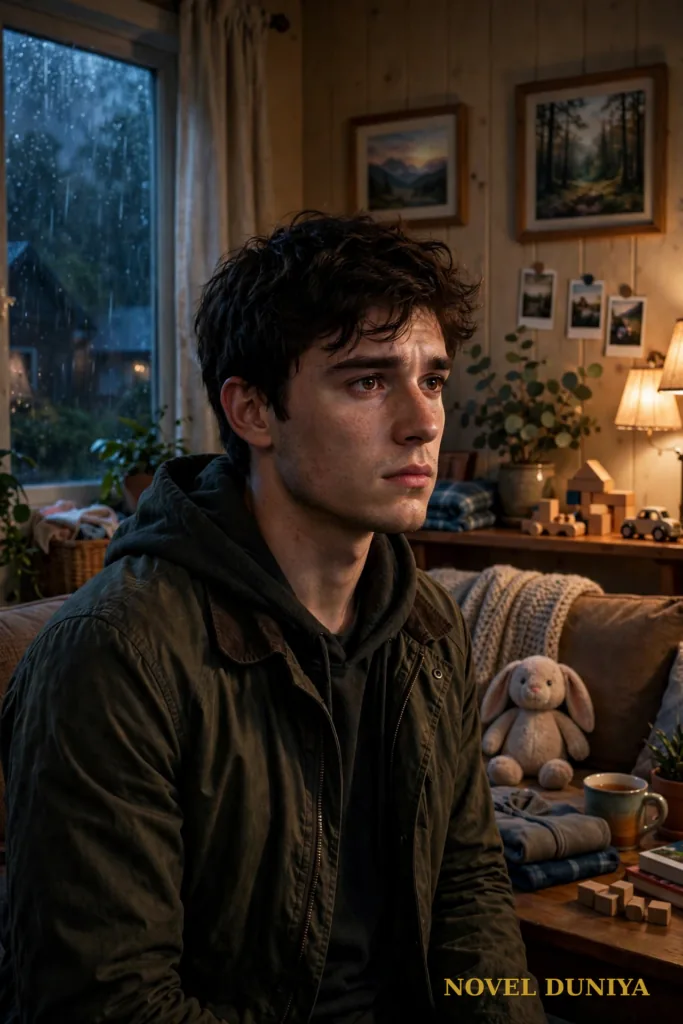
Stepbrother Hero Urdu Novels – Family Love
Stepbrother hero Urdu novels are stories where the hero is someone’s stepbrother — the sautela bhai, the son a step-parent brought into a blended family. This is a character guide, not a romance trope guide: the stepbrother hero appears in family dramas about resentment, belonging, and second chances, and he must not be confused with the Western “stepbrother romance” trope, which has no real shelf in Urdu fiction.
Quick summary:
– The archetype: the hero is a stepbrother — joined to the family by a parent’s remarriage, no shared blood
– Critical distinction: stepbrother hero (a character in family drama) is completely different from stepbrother romance (a Western trope with no Urdu shelf)
– The engine: resentment and belonging — he fights for a place in a family that half-accepts him
– Reality check: a genuinely thin shelf — one verified written anchor (Dil Key Mausam by Maryam Aziz) plus audio-family dramas
– Best hunting ground: family-based novels and second-marriage stories, filtered for blended-family plots — linked below
What “Stepbrother Hero” Actually Means
A stepbrother is the son of your step-parent — the child your father’s new wife or your mother’s new husband brought into the home. He shares no blood with you. In Urdu fiction, when this figure becomes the hero, the story is almost always a family drama, not a romance about the step-relationship itself.
The stepbrother hero is the outsider-insider: he lives in the house, carries the family name (or pointedly does not), sits at the same table — and yet everyone, including sometimes himself, questions whether he truly belongs. His love story usually unfolds alongside this struggle, not because of the step-relationship. He falls in love the way any hero does; the stepbrother detail is the wound he carries into the romance, the chip on his shoulder that makes him work twice as hard to be worthy.
This matters because the keyword “stepbrother” pulls in two completely different internets. One is the Western romance trope where step-siblings fall for each other. The other — the only one this guide covers — is the Urdu family-drama hero who happens to be a stepbrother.
Stepbrother Hero vs Stepbrother Romance vs the Western Trope
Three things share the word “stepbrother.” Only one is this article’s subject:
- Stepbrother hero (this guide): the hero is a stepbrother. His story is about family — resentment from a step-sibling or step-parent, the fight to belong, loyalty tested by blood-vs-bond questions. His romance is with someone outside the step-relationship. Example shape: the beloved stepbrother of Dil Key Mausam, whose story turns on family dynamics.
- Stepbrother romance (article-164): the trope where love develops between step-siblings. In Urdu fiction this shelf is essentially empty — no major site, including novelsmafia.com, carries it, and verified Urdu titles are nonexistent. Pakistani family culture and Islamic values keep it out of mainstream fiction.
- The Western stepbrother trope: the Wattpad/AnyStories engine — teenagers thrown together by a parent’s remarriage who fall for each other, often written explicitly. This is a foreign shelf with foreign values; it is not Urdu fiction, and nothing on this page points you toward it.
If you searched “stepbrother hero urdu novels” hoping for the Western trope in Urdu, this guide will disappoint you honestly rather than mislead you: that shelf does not exist in Urdu, and pretending otherwise would be fabrication.

The Resentment-and-Belonging Engine
Every stepbrother hero runs on the same emotional fuel: resentment and belonging.
The resentment usually comes from the other side first — a step-sibling who sees him as the intruder who stole a parent’s attention, or a step-parent who never quite accepts him. The hero absorbs this quietly or fires back, and the whole novel becomes the slow proof that family is earned, not inherited. Readers love this engine because it is the purest underdog story in the family-drama shelf: the man with no blood claim out-loving, out-loyal-ing, out-lasting everyone with a “real” claim.
Then comes belonging — the moment the family finally chooses him back. It might be the resentful stepbrother defending him, the cold stepmother softening, the father finally saying the words. This is the emotional climax these novels build toward, and it lands harder than any romantic confession because an entire family’s acceptance is at stake, not just one heart.
The “Sautela Bhai” Wording: How the Shelf Is Actually Tagged
Urdu does not romanticize this figure with a special term — he is simply the sautela bhai (سَوتیلا بھائی), the stepbrother. Because the shelf is so thin, nobody has built a marketing label around him. Here is how to hunt:
- “Sautela bhai” + “hero”: catches the rare audio descriptions that name him directly.
- Second-marriage novels: the stepbrother hero is born from a parent’s second marriage — search the second-marriage shelf for blended-family plots and check whether the hero is the stepmother’s or stepfather’s son.
- Family-based novels: the broadest net; filter descriptions for “two stepbrothers,” “stepmother,” “blended family.”
- What won’t work: “stepbrother romance” searches, which return either the empty Urdu shelf or the Western trope — the exact confusion this guide exists to prevent.
Verified Titles and Honest Hunting
One written title anchors this shelf with a named writer:
- Dil Key Mausam by Maryam Aziz — a 2013 family novel built around the complexities of familial relationships and love, featuring two stepbrothers, one of whom harbors resentment toward the other. The hero is described as the beloved stepbrother, and the narrative turns on the emotions and family dynamics between them. This is the defining stepbrother-hero shape: the drama is the family, and the hero earns his place inside it.
Beyond this anchor, the shelf lives mostly in audio: YouTube uploaders tag family dramas with “second marriage,” “step relation,” and “zalim shohar” clusters — for instance, the Pahli Nazar Ka Ishq audio is keyword-tagged “Second Marriage Step Relation,” the step-family bundle these stories travel in. Treat such tags as hunting leads, not recommendations: listen to the premise before committing, because tags are applied loosely.
A note on what is not listed here: the Hindi film Sautela Bhai (1996) and its streaming pages surface constantly in “sautela bhai” searches. It is a film about a teacher’s disputes with his stepbrother — a boundary marker, not a novel, and not a romance.
Who Will Love These Stories
The stepbrother hero is for readers who love family dramas more than pure romances — readers who stayed for the joint-family politics in cousin-marriage novels and wished the family itself got more pages. If you enjoy second-marriage stories, stories of the outsider earning his place, and heroes whose biggest battle is at the dinner table rather than in the boardroom, this thin shelf is worth the hunt.
Frequently Asked Questions
Q: Is the stepbrother hero the same as stepbrother romance?
A: No — and the distinction is the whole point. The stepbrother hero is a character in a family drama; stepbrother romance is a trope about love between step-siblings that has essentially no Urdu shelf. This guide covers only the hero.
Q: Which Urdu novel has a stepbrother hero?
A: The verified anchor is Dil Key Mausam by Maryam Aziz (2013) — a family novel about two stepbrothers, one resentful of the other, with the beloved stepbrother as hero. Beyond it, hunt second-marriage and family-based audio shelves for blended-family plots.
Q: Why are there so few stepbrother hero novels?
A: The figure only exists inside blended-family stories, which are themselves a small corner of Urdu fiction — and nobody tags him as a selling point. He is found by plot description, not by label.
Q: What does “sautela bhai” mean?
A: It is the Urdu word for stepbrother — the son of a step-parent, with no shared blood. Searches in Urdu work better with this term than with English tags.
Q: Are stepbrother hero novels the same as the Western stepbrother trope?
A: Completely different. The Western trope is romance between step-siblings; the Urdu stepbrother hero’s romance is with someone else entirely, and his story is about family belonging.
Q: Where can I find more stepbrother hero Urdu novels?
A: Search “sautela bhai hero” on audio platforms, filter second-marriage listings for blended-family plots, and start from Dil Key Mausam. Be patient — this is a hunting shelf, not a browsing shelf.
Q: Does novelsmafia have a stepbrother hero page?
A: No — novelsmafia.com has no dedicated stepbrother-hero page (their URL pattern for it returns nothing), and no major Urdu site maintains this shelf. This guide is the first of its kind.
Publish Checklist
- [ ] Last-updated date added
- [ ] Real author bio attached
- [ ] FAQ schema applied to the 7 FAQs above
- [ ] Internal links verified: /stepbrother-romance-urdu-novels/, /cousin-hero-urdu-novels/, /family-based-urdu-novels/, /second-marriage-urdu-novels/, /writers/
- [ ] Keyword volume verified in Ahrefs/Semrush
- [ ] Plot and writer details fact-checked (only Dil Key Mausam/Maryam Aziz named as verified anchor)
- [ ] No fake PDF/download promises; no invented facts

