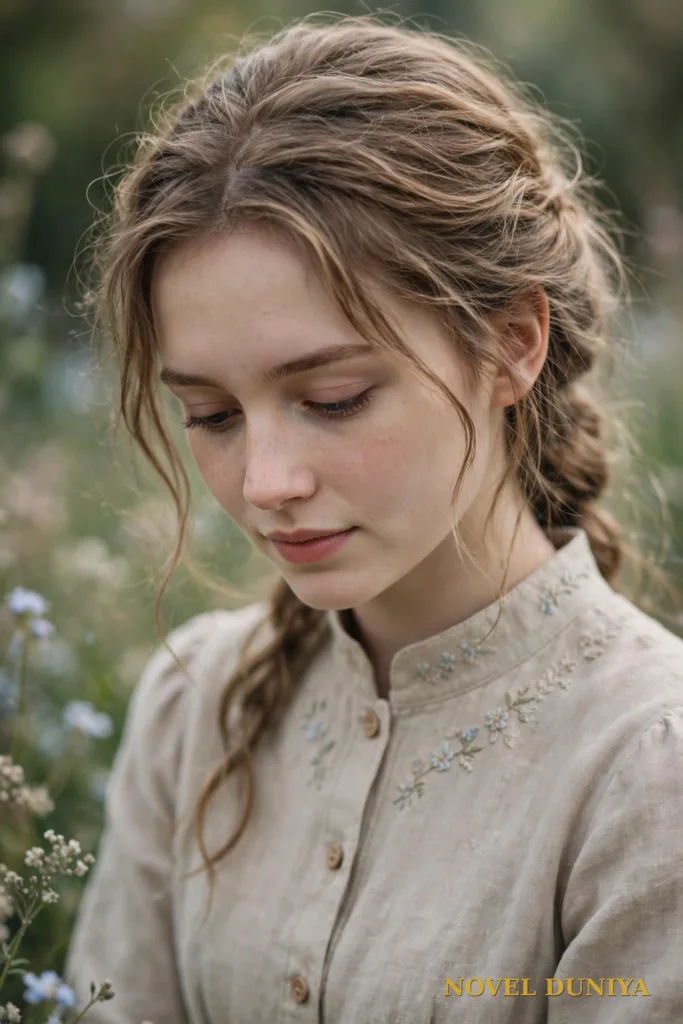
Shy Heroine Urdu Novels – Gentle Love
Shy heroine Urdu novels are romances built around the sharmeeli heroine — the soft-spoken, reserved young woman who guards her feelings behind downcast eyes and careful silence. She is not empty; she is unopened. When a forceful hero storms into her guarded world, her quiet becomes the most powerful thing in the story. This guide explains her unique appeal, separates the truly shy from the innocent and the merely frightened, and lists verified titles — including a classic novel literally named Sharmeli — without inventing a single one.
Quick summary:
– The trope: the heroine is shy — socially reserved, soft-spoken, emotionally guarded — a matter of manner, not morals
– The classic pairing: quiet heroine + forceful hero who must learn to hear her silence
– Verified anchor: Deewangi by Areej Shah — Aroob, the shy, beautiful topper, against the obsessive Hashim Shah
– Classic find: Sharmeli by Bushra Rehman — a novel named after shyness itself
– Key distinction: shy ≠ innocent ≠ afraid — three different heroines, three different stories
What “Shy Heroine” Really Means in Urdu Novels
A shy heroine novel is defined by the heroine’s manner, not her morals. She is the girl who answers in few words, who would rather endure a misunderstanding than cause a scene, whose deepest feelings surface in glances instead of speeches. Her reserve may come from a sheltered upbringing, an old hurt, or simply the way she was made.
But the best novels on this shelf understand one thing: quiet is not hollow. Behind the lowered gaze is usually a watchful mind, a deep capacity for feeling, and — when finally cornered — a spine of surprising steel. The story’s pleasure is the slow discovery of what was hiding behind her silence all along.
Shy, Innocent, Afraid: Three Different Heroines
No search result makes this distinction, and it changes everything about what you are reading:
- Shy (sharmeeli): quiet by temperament. She chooses reserve; she could speak but does not. Her arc is finding her voice. (This shelf — see Deewangi‘s Aroob.)
- Innocent (masoom): pure of heart — but she may be outspoken, stubborn, even fierce. Innocence is about character, not volume. (See innocent heroine Urdu novels.)
- Afraid: silenced by fear — of the hero, her family, her circumstances. Her quiet comes from danger, not disposition. Much of the urdunovelsghar “heroine is afraid to hero” shelf (Mera Sitamgar, Shidat-e-Ishq, Janan) lives here.
A shy heroine blossoms. An afraid heroine escapes. An innocent heroine endures. Read the list below with this map in hand, and you will always know which story you have entered.

Shy vs Bold: The Mirror Pair
Every shy heroine has a mirror image on the next shelf: the bold heroine. Where the shy heroine’s power is withholding — a rich inner world guarded behind silence — the bold heroine’s power is expression: saying the unsayable out loud. One conquers by mystery, the other by voice.
They are two answers to the same question: how does a woman hold power in a story? If the quiet tension here ever feels too slow, the bold heroine Urdu novels shelf is the loud, crackling opposite — heroines who never lower their eyes. Many readers love both, in different moods.
“Sharmeli”: When Shyness Is the Title
Here is something no list page mentions: Urdu literature has a novel literally named after this trope. Sharmeli by Bushra Rehman — sharmeli being another form of sharmeeli, “the shy one” — tells of Sharifa, a shy young girl raised with love by her grandmother after losing her parents. It begins as a gentle social story and deepens into romance: 38 pages, a well-known classic writer, and the purest telling of the shy-heroine idea ever put between covers.
Why does this matter? Because “shy heroine” is almost never a formal tag — unlike “innocent heroine,” it has no organized shelf, so its novels must be hunted one by one. Sharmeli is the exception that proves the search is worth it: sometimes the trope is so central that it becomes the title.
Why the Quiet Heroine Wins Hearts
Two engines drive this trope, and both run on silence:

1. The drawing-out fantasy. There is a particular romance in being truly seen — in having someone patient or persistent enough to coax out the person hiding behind the quiet. When the hero learns to read her — her hesitations, her glances, everything she does not say — it lands more intimately than any grand declaration.
2. The hidden-depth reveal. The shy heroine’s arc is a slow unveiling. She is the class topper nobody noticed. The dutiful daughter with a will of iron. The silent wife who, at the story’s crisis, speaks one sentence that changes everything. Readers adore the delayed detonation: her silence makes her eventual voice devastating.
Her and the Forceful Hero
Like her innocent cousin, the shy heroine is nearly always paired with a forceful hero — rude, obsessive, or simply overwhelming. The dynamic writes itself: he is all noise and certainty; she is all quiet and doubt. He demands; she withdraws; he learns to listen; she learns to speak.
But there is a line here, and honest readers watch it: the difference between drawing out and breaking down. The best shy-heroine novels keep his force romantic rather than cruel. The weaker ones slide into the afraid-heroine register — if she is weeping from fear in every chapter, you are no longer reading shyness. You are reading fear, and the distinction section above will tell you so.
Verified Shy Heroine Novels
An honest note first: because “shy heroine” is rarely a formal tag, this shelf is assembled from verified descriptions and the well-known “heroine is afraid to hero” list — read the shy/afraid distinction above to place each title correctly. Writers credited wherever sources name them.
- Deewangi by Areej Shah — the anchor and the trope’s clearest telling: Aroob, a shy, beautiful middle-class topper, against Hashim Shah — handsome, arrogant, obsessive, a future politician — who forcibly marries her.
- Sharmeli by Bushra Rehman — the classic: Sharifa, the shy orphan girl raised by her grandmother; a gentle social story that deepens into romance. The trope as a title.
- Mera Sitamgar by Areej Shah — a timid heroine against a harsh hero; leans toward the afraid register — read accordingly.
- Shidat-e-Ishq by Mirha Shah — an intense hero and a withdrawn heroine; high-emotion telling of the quiet-girl dynamic.
- Janan by Misbah Malik — a reserved heroine inside an intense romantic frame.
- Meri Wehshaton Ko Qarar Do by Mishab Ail Tarar — a fearful, withdrawn heroine for readers who like the shy-afraid borderland.
- Haqarat by Irsa Rao — a quiet heroine in an emotionally charged story.
- Banhon Mein Chand Mera by Sadia Abid — a gentle, reserved heroine in a softer romantic setting.
- Atrangi Safar by Asma Ahmed — a soft-spoken heroine on an unusual journey.
- Kay Ab Kaj Adai Main Karoon by Komal Ahmed — a reserved heroine, emotionally told.
Pick Your Next Read
- The definitive shy-heroine novel: Deewangi by Areej Shah — the trope’s most complete telling.
- The classic, purest telling: Sharmeli by Bushra Rehman — shyness as the whole subject.
- Shy on the innocent border: cross to innocent heroine Urdu novels — many heroines live on both shelves.
- Intensity over tenderness: Shidat-e-Ishq, Mera Sitamgar — the shy-afraid borderland, heavier emotions.
- Gentler and quieter: Banhon Mein Chand Mera, Atrangi Safar — softer heroes, less storm.
- The opposite energy: bold heroine Urdu novels — heroines who never lower their eyes.
Frequently Asked Questions
Q: What are the best shy heroine Urdu novels?
A: The clearest anchor is Deewangi by Areej Shah — Aroob is the definitive shy heroine: quiet, beautiful, a class topper, drawn out by a forceful hero. The classic pick is Sharmeli by Bushra Rehman, a novel literally named after shyness. Others include Mera Sitamgar (Areej Shah), Shidat-e-Ishq (Mirha Shah), and Janan (Misbah Malik).
Q: What is a shy heroine in Urdu novels?
A: A heroine who is socially reserved, soft-spoken, and emotionally guarded — the sharmeeli heroine. Her shyness is a matter of temperament and manner, not necessarily of innocence or fear.
Q: Is a shy heroine the same as an innocent heroine?
A: No. Shy is about social reserve (quiet manner); innocent is about moral purity (sincere character). A heroine can be shy but worldly-wise, or innocent but outspoken. See our innocent heroine guide.
Q: Why do shy heroines always get forceful heroes?
A: The contrast drives the story: his force against her reserve creates both conflict and the central romance — he must learn to hear her quiet, and she must find her voice. It is the drawing-out fantasy at the heart of the trope.
Q: What is the difference between a shy heroine and a bold heroine?
A: They are mirror images: the shy heroine’s power is withholding (a rich inner world behind silence); the bold heroine’s power is expression (saying the unsayable). Same question — how a woman holds power in a story — two opposite answers. See our bold heroine guide.
Q: What is the difference between a shy heroine and an afraid heroine?
A: A shy heroine chooses silence by temperament and eventually blossoms; an afraid heroine is silenced by fear and must escape. If she is crying from fear in every chapter, you are reading an afraid-heroine story.
Q: Is there really a novel called Sharmeli about a shy heroine?
A: Yes — Sharmeli by Bushra Rehman, a classic short Urdu novel about Sharifa, a shy girl raised by her grandmother, whose gentle social story deepens into romance. It is the rare case of the trope becoming the title.