
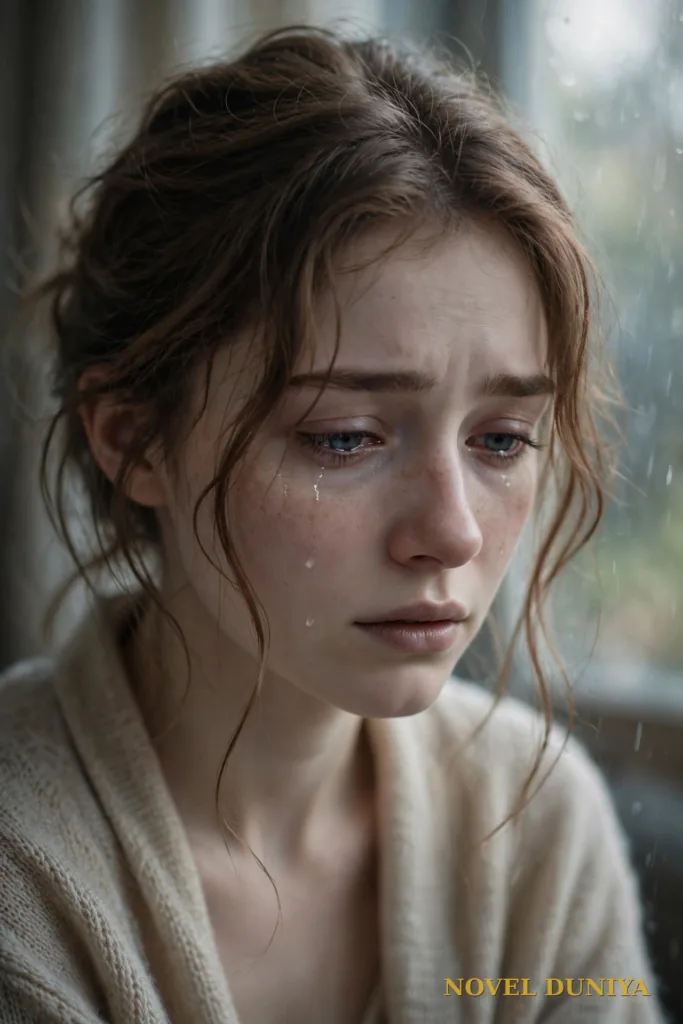
Weak Heroine Urdu Novels – Masoom Heroine
Weak heroine Urdu novels center the heroine who suffers more than she fights: the masoom (innocent) girl caught in forced marriage, cruelty, or family storms, whose power is endurance rather than action. Here is the puzzle — nobody actually tags novels “weak heroine.” The shelf exists, but it hides under other names: innocent heroine, masoom, emotional. This guide decodes what “weak” really means in Urdu fiction, maps where these heroines actually live online, and names verified novels where her suffering is the story — with an honest take on why millions of readers choose this shelf on purpose.
Quick summary:
– The promise: emotional catharsis — you weep with her, suffer with her, and heal when she heals
– The wording puzzle: no site tags “weak heroine”; search “innocent heroine” or “masoom” to find the same shelf
– Verified anchors: Woh Masoom Si by Maham Sheikh, Raaz e Mohabbat by Mehak Ali, Sath Dil Kay Chale by Sehrish Bano, plus the masoom tearjerker audio cluster (Dil Tum Pe Haar Bethe, Dil Sambhalta Nahi, Masoom Mohabbat)
– Honest caveat: “weak” describes her situation, not her worth — endurance is its own courage
– Core fantasy: protection and tenderness — someone finally sees her pain and shields her
[IMAGE: hero — weak-heroine.jpg — alt: “Weak heroine Urdu novels – masoom kamzor heroines”]
The Wording Puzzle: Why “Weak Heroine” Is Unfindable
Type “weak heroine urdu novels” into Google and you get almost nothing dedicated. The competitor sites have no such page. The tags don’t exist. Yet the shelf is enormous — some of the most-read Urdu novels ever written star heroines who weep through most of their pages.
The reason is simple: Urdu fiction never calls her “weak.” It calls her masoom (innocent), mazloom (wronged), nadaan (naive), or simply tags the novel “innocent heroine” and “emotional.” The word kamzor (weak) carries a judgment the fiction avoids — these novels want you to love her, not pity her. So the weakness is always dressed in softer words.
This is the first genuine gap this guide fills: if you search the English word, you find nothing; if you search her Urdu names, you find everything. Hunt with “innocent heroine,” “masoom,” or “emotional” tags on novel platforms and the entire shelf opens up. That one line of search advice is worth more than any title list.
Weak vs Innocent vs Victim: The Three-Way Map
Three heroines get confused here, so here is the map. An innocent heroine is defined by purity — she is naive about the world’s cruelty, and her innocence is a character trait that may or may not change. A weak heroine is defined by her situation — she lacks power in the story’s setup (forced marriage, poverty, orphanhood), regardless of how pure she is. A victim is defined by what happens to her — she is wronged, and victimhood is an event, not an identity.
The overlap is huge because the classic Urdu tearjerker stacks all three: an innocent girl, placed in a powerless situation, gets victimized — and the novel follows her endurance. But they separate too. Some innocent heroines are anything but weak (they fight back, as our innocent heroine guide shows). Some of these heroines are not innocent at all — they know exactly what is happening and simply lack the power to stop it. And victimhood can be a single chapter, not a whole identity.
The honest test: ask why she suffers. If the answer is “because she is too pure for this world,” that’s the innocent flavor. If the answer is “because she has no power in this house,” that’s the weak flavor. If the answer is “because someone wronged her once,” that’s an event she may rise from — and then she belongs on the strong heroine shelf.

The Tearjerker Engine: Why Readers Choose This Shelf
Nobody reads these tearjerkers by accident. Millions of readers — especially the core Urdu novel audience — prefer this shelf, and the reason deserves respect, not condescension.
The engine runs on empathy and release. The heroine’s suffering becomes the reader’s own; her tears unlock the reader’s. In a life where real pain must be hidden, the novel offers a safe room to feel everything. Psychologists have a dry word for it — catharsis — but readers know it as that 2 a.m. feeling when the chapter ends and your own chest is lighter.
There is a second engine too: the rescue fantasy. Her suffering is almost always witnessed — by the hero, by the reader, by fate itself. Someone sees her pain. Someone shields her. For readers who feel unseen in their own lives, that witnessing is the whole point. She is not weak because the story despises her; she is weak because the story wants to prove she deserved gentleness all along.
And there is a third, quieter engine: moral clarity. In a messy world, the suffering innocent is unambiguously good, and the universe of the novel eventually agrees with her. That certainty is comfort food.
Endurance Is Strength: The Honest Reframe
Here is the sentence the search results never write: endurance is a form of strength. The suffering heroine who survives a cruel marriage, raises her head the next morning, and keeps her heart intact has performed an act of courage — just not the loud kind.
Urdu fiction has a word for this that the English “weak” erases: sabr — patient endurance as a moral achievement. The novels treat her suffering not as failure but as a trial that proves her. When readers say they love the masoom heroine, they are often loving exactly this: the dignity of someone who refuses to become cruel in a cruel house.
So read the tag with new eyes. “Weak heroine” describes her position — powerless in the setup. It says nothing about her worth. Some of the bravest characters in Urdu fiction never raise their voice once.
Where Weak Heroines Actually Live
Since no site tags them “weak,” here is the hunting map — the real shelves, with honest notes.
The innocent-heroine tag shelves. On platforms like novelistan, the “innocent heroine” tag is her true home. Verified examples: Raaz e Mohabbat by Mehak Ali (innocent heroine, kidnapping, rude hero, forced marriage), Sath Dil Kay Chale by Sehrish Bano (innocent heroine, rude hero, after-marriage, cousin marriage), Sun Saiyaan by J. Nikhat (forced marriage, after-marriage emotional drama), Yaar E Bewafa by Wahiba Fatima (forced marriage, rude hero, innocent heroine). These blurbs are thin, so treat them as starting points, not guarantees.
The masoom short-novel shelf. Woh Masoom Si by Maham Sheikh is literally the concept as a title — the story of Mahi, a beautiful innocent girl whose dreams are as pure as she is. Short novels like this are the purest form of the trope: no subplots, just her gentleness against the world.
The audio tearjerker cluster. YouTube’s Urdu novel channels run a massive masoom-heroine economy. The shape is always similar: an innocent girl, a harsh or forced marriage, slow-burn tenderness. Examples readers cite: Dil Tum Pe Haar Bethe (Nirmal, the masoom girl, and Ayyaz Khan’s forced marriage), Dil Sambhalta Nahi (a masoom girl caught in age-difference forced marriage), Masoom Mohabbat (an innocent girl tricked into signing nikah papers). These are audio uploads, not published books — enjoy them as performances, and don’t expect writer credits.
[IMAGE: body — weak-heroine-reading.jpg — alt: “Top weak heroine Urdu novels – emotional masoom heroines”]
What to skip. WebNovel’s English Q&A results for “weak heroine” point to Chinese cultivation fiction — a different universe entirely. And beware the cruelty trap: some novels dress up a heroine’s humiliation as romance. If her suffering exists only to make the hero look merciful, that’s not a tearjerker — that’s decoration. The genuine article always preserves her dignity.
A Gentle Note
These novels deal in forced marriages, cruelty, and emotional pain. They are fiction — but if anything you read stirs real distress about your own life, talk to someone you trust, or a professional. Stories should be a safe room, never a locked one.
Who Will Love This Shelf
If you read to feel — if the best chapter is the one that makes your throat tighten — this is your shelf. If you believe gentleness is not the absence of strength but its quietest form, welcome home. And when you want the other pole — the heroine who picks up the sword instead of enduring the wound — the strong heroine guide is the mirror waiting for you.
Frequently Asked Questions
Q1. What are weak heroine Urdu novels?
Novels where the heroine’s defining situation is powerlessness — the masoom girl in a forced marriage, a cruel household, or crushing circumstances — and the story follows her endurance. No site tags them “weak”; search “innocent heroine” or “masoom” to find the same shelf.
Q2. What is the difference between a weak heroine and an innocent heroine?
Innocence is a character trait (purity, naivety); weakness is a situation (lack of power). They overlap heavily — most weak heroines are innocent — but an innocent heroine can fight back, and a weak heroine can be fully aware of her cage.
Q3. Why do readers like weak heroine novels?
Three engines: emotional catharsis (weeping with her releases real feelings), the rescue fantasy (someone finally sees and shields her), and moral clarity (goodness is rewarded). For many readers, her endurance is the inspiration.
Q4. Is a weak heroine the same as a victim?
No. Victimhood is something that happens to her — an event. Weakness is her starting position in the story. Many of them grow past both, which is exactly why the shelf satisfies.
Q5. Which novels have the best weak heroines?
Start with Woh Masoom Si by Maham Sheikh (the concept as a title), Raaz e Mohabbat by Mehak Ali, and Sath Dil Kay Chale by Sehrish Bano from the innocent-heroine tag shelves, plus the audio tearjerkers Dil Tum Pe Haar Bethe and Dil Sambhalta Nahi.
Q6. Are weak heroine novels sad endings?
Almost never. The entire contract of the tearjerker is that her suffering earns the happy ending. The tears are the price of the catharsis — readers would riot otherwise.
Q7. Where can I find more emotional heroine novels?
Browse the “innocent heroine” and “emotional” tags on novel platforms, explore forced marriage novels for the classic setup, and try the strong heroine guide when you want her to pick up the sword.
Publish Checklist
- [ ] Last-updated date set
- [ ] Real author bio attached
- [ ] FAQ schema (JSON-LD) added for the 7 questions
- [ ] Internal links verified: /strong-heroine-urdu-novels/, /innocent-heroine-urdu-novels/, /poor-heroine-urdu-novels/, /bold-heroine-urdu-novels/, /forced-marriage-urdu-novels/, /writers/
- [ ] Keyword volume verified in Ahrefs/Semrush
- [ ] Plot and writer details manually fact-checked (no invented facts; audio-only titles flagged as audio; thin blurb provenance stated)
- [ ] 2 images (16:9, maroon/gold/cream, watermark bottom-right) uploaded with keyword-aware alt text

