
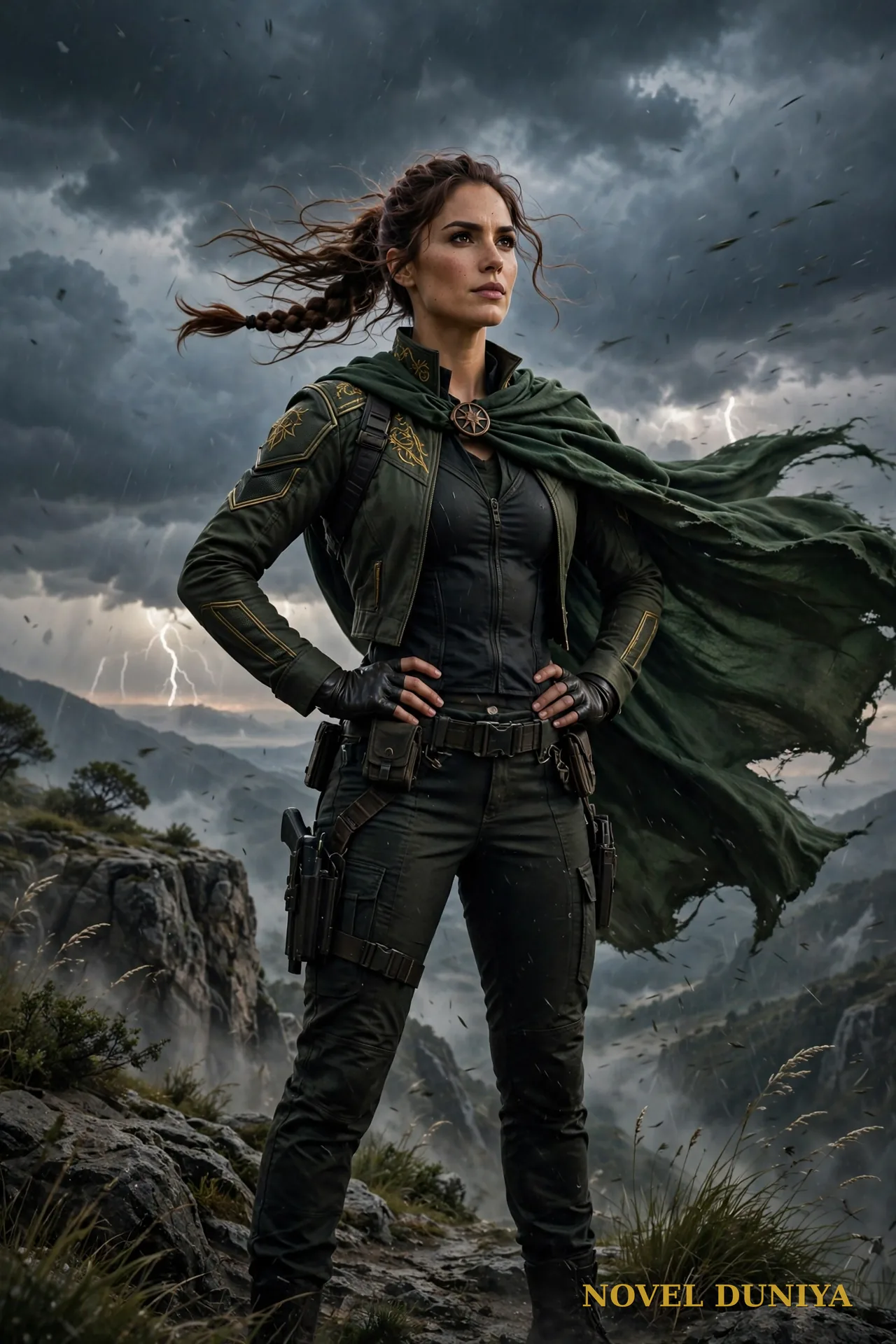
Strong Heroine Urdu Novels – Fearless Female Leads
Strong Heroine Urdu Novels – Fearless Female Leads
Strong heroine Urdu novels are love stories where the heroine refuses to be a decoration: she argues, she decides, she survives, and she shapes the plot instead of just suffering through it. Whether she is an ambitious professional, a wronged wife demanding dignity, or a young woman standing up to her entire family, her strength is the engine of the story. This guide defines what “strong” actually means in Urdu fiction, separates it from the “bold heroine” label it keeps getting mixed with, and lists the verified titles where heroines genuinely carry their novels — with honest notes on where the trope falls short.
Quick summary:
– The trope: a heroine with agency — she makes decisions, faces consequences, and drives the story forward
– Key distinction: “strong” means emotional and moral strength, not loudness — a quiet heroine can be stronger than a shouting one
– Verified anchors: Ehl e Ishq by Shumaila Hassan, Wafa e Yaar by Husny Kanwal, Azmaish by Arooba Masood, plus the classics — Peer-e-Kamil, Zindagi Gulzar Hai, Mushaf
– Honest caveat: even famous “strong” heroines often lose their independence to marriage by the final chapters — this guide names that pattern openly
– Core fantasy: being respected, not rescued — a hero who admires her spine instead of breaking it
What Defines Strong Heroine Urdu Novels
A strong heroine novel is defined by one quality: the heroine has agency. She is not merely acted upon by the plot — she acts. She makes choices that cost her something, stands by them, and changes the story’s direction. Strength in Urdu fiction takes many forms: the dignity of a wronged wife who refuses silent suffering, the ambition of a career woman who built herself, the moral courage of a girl who defies her family for what is right.
But strength is not loudness. This is the distinction nobody on the search results makes clearly. A heroine who shouts at everyone is not automatically strong — she may just be rude. A heroine who endures cruelty in silence is not automatically strong either — she may just be trapped. True strength in these novels looks like principled action under pressure: the moment she could take the easy path and doesn’t. Keep that test in mind as you browse, and you will never be fooled by a loud cover again.
The Five Faces of the Strong Heroine
The dignified survivor. She has been wronged — by a husband, a family, or fate — and refuses to be diminished by it. Rukhsana Nigar’s Phir Mausam e Gul Ne Pukara Hai follows exactly this arc: a heroine who chooses self-respect over silent suffering after marriage. These are the most emotionally satisfying novels of this kind because her strength is earned on the page.
The ambitious professional. She has a career, a calling, or a mission that exists independently of any man. Umera Ahmed practically invented this face for modern Urdu fiction: Imama in Peer-e-Kamil, who becomes an eye doctor through sheer will; Kashaf in Zindagi Gulzar Hai, whose brilliance and work ethic define her long before any romance begins. When these heroines enter a love story, they negotiate from strength.
The moral rebel. She defies family, society, or tradition for what she believes is right. Sania Umair’s Kar Chale Jaan Nisar Hum showcases this spirit — youth struggling for rights, freedom, and reform with courage and resilience. The moral rebel’s strength is her conscience: she will lose everything before she does what she knows is wrong.
The quiet protector. She does not make speeches; she makes sacrifices — for siblings, parents, or children — and carries the family on her back without complaint. Her strength is endurance with purpose. Many of the best “brave heroine” moments in Urdu fiction belong to this face, hiding inside family dramas.
The veiled warrior. She fights her battles within strict boundaries — of purdah, of family honor, of social expectation — and wins without breaking them. Arooba Masood’s Azmaish gives us this heroine directly: a strong veiled woman facing life’s hardest trials, including murder mystery and psychological trauma, with courage and faith. Her strength proves that modesty and power are not opposites.

Verified Titles: Novels With Strong Heroines
Ehl e Ishq by Shumaila Hassan — a suspenseful romantic novel built around a resilient heroine navigating second marriage, forced marriage, a rude hero, secret agents, and mafia intrigue. The heroine holds her ground in a plot that throws nearly every Urdu-romance trope at her — which makes her steadiness the real story.
Wafa e Yaar by Husny Kanwal — an age-gap romance with a rude hero and a haveli setting, carried by a heroine whose emotional resilience anchors an intense after-marriage love story. Her strength shows in how she handles a difficult husband without losing herself.
Azmaish by Arooba Masood — romantic suspense about patience, faith, trauma, and justice, centered on a strong veiled heroine facing murder mystery and psychological wounds with courage. A rare novel where the heroine’s strength is explicitly spiritual as well as emotional.
Quwat-E-Parwaz by Seema Shahid — a heartfelt novel about love, emotions, and the colors of life, widely tagged for its brave heroine. Described as a story that touches the heart and lingers long after the final page.
Harb e Umeed by Umaima Farooq — an ongoing soft romantic novel exploring strong yet chaotic heroines alongside reserved, caring heroes, through friendship, betrayal, and second marriage. Its heroines are strong in a modern, messy, recognizable way.
Kar Chale Jaan Nisar Hum by Sania Umair — a powerful social-romantic novel about youth fighting for rights, freedom, and cultural reform, first published in a monthly digest. Its heroine’s strength is public and principled.
Loki Menu Kende Ne Laraki by Wisha Nadeem — a strangers-to-lovers story about a strong-headed girl who fears marriage and finds her journey changing unexpectedly. Strength here wears a light, relatable face.
Phir Mausam e Gul Ne Pukara Hai by Rukhsana Nigar — an emotional novel about after-marriage struggles and toxic in-laws, where the heroine chooses self-respect over silent suffering. The dignity-survivor arc at its purest.
From the bold-heroine lists (verified title-and-writer pairs circulating on established novel platforms): Dadi ki lali by Zonash Meer, Deed e qalb by Huma Waqas, Heer badnaam by Ayat Khan, Hum jo motabar thehray by Nabila Abar Raja, Jeet lia tum sa tum ko by Rafia Ahmed, and Her martaba tu chahiye by Ana Ilyas — all tagged for bold, assertive heroines.
The classics (the foundation every discussion of powerful heroines stands on): Peer-e-Kamil by Umera Ahmed (Imama — the ambitious student who becomes a doctor through faith and will), Zindagi Gulzar Hai by Umera Ahmed (Kashaf — the career woman whose competence is the point), Mushaf by Nimra Ahmed (Mehmal — moral strength through a spiritual journey), Aag Ka Darya by Qurratulain Hyder (Chandni Begum — one of Urdu literature’s most enduring strong women), and Aangan by Khadija Mastoor (Aliya — strength tested by the Partition).
Strong vs Bold vs Rude: The Distinction Nobody Makes
This is the section the search results never write, and it matters because the three labels get used interchangeably:
Strong heroine = agency and principle. She decides, endures, and acts on conviction. Volume optional.
Bold heroine = modern, outspoken, sometimes provocative. She breaks social norms openly. Bold overlaps with strong but is not the same — a bold heroine can be reckless where a strong one is steady. Our bold romantic novels shelf covers the bolder end, where heroines are fearless in a more provocative sense.
Rude heroine = sharp-tongued and proud. She clashes with everyone, including the hero. Rudeness is a personality trait, not a virtue — though many rude heroines grow into strength by the final chapter.
A heroine can be all three, any two, or just one. Knowing which flavor you actually enjoy will save you from many disappointing downloads.
The Uncomfortable Question: Does “Strong” Survive to the End?
Here is the honest criticism no novel site will print, but readers deserve to hear. A well-known critique of even Umera Ahmed’s celebrated heroines notes the pattern: they start strong — Imama ambitious and brilliant, Kashaf hardworking and independent — but as they get entangled with the hero, their professional lives begin to disappear into marriage. Kashaf still has a job, but the story stops caring about it; what matters is whether she is a good wife, whether she can stop being jealous, whether she trusts her husband.
This does not erase these novels’ value — their heroines’ early strength genuinely inspired a generation of readers. But it means “strong” in Urdu fiction often means strong until the wedding, and the truly rare novels are the ones where her independence survives the happy ending. When you read the titles above, watch for which ones let her keep her spine in the final chapters. Those are the keepers.
Why Readers Love the Strong Heroine
The fantasy here is dignity: being respected rather than rescued. In a genre where heroines have historically been prizes to win or victims to save, she changes the contract — the hero must earn her, match her, and admire her. Readers love the moment he realizes she is not someone to protect but someone to stand beside.
It is also, quietly, an instruction manual. Many readers have said these heroines taught them how to argue with family, how to leave a bad marriage, how to keep studying when everyone says stop. Fiction that hands you courage is doing something no plot twist can match.
Reading Guidance: Finding Your Kind of Strong
If you want emotional resilience, start with Phir Mausam e Gul Ne Pukara Hai or Wafa e Yaar. If you want ambition and career, go to the classics — Zindagi Gulzar Hai, Peer-e-Kamil. If you want moral courage, try Azmaish or Kar Chale Jaan Nisar Hum. And if you want strength with suspense and action, Ehl e Ishq delivers it with spies and mafia on the side.
One caution: “strong female lead” tags on novel platforms are applied loosely — sometimes to any heroine who raises her voice once. Use the five-faces test above to judge for yourself, and don’t be afraid to abandon a novel whose heroine talks strong but acts weak.
Frequently Asked Questions
Q1. What are the best strong heroine Urdu novels?
Reader favorites include Ehl e Ishq by Shumaila Hassan, Wafa e Yaar by Husny Kanwal, Azmaish by Arooba Masood, and the classics Peer-e-Kamil, Zindagi Gulzar Hai, and Mushaf. Each showcases a different face of heroine strength, from emotional resilience to professional ambition.
Q2. What is the difference between a strong heroine and a bold heroine?
A strong heroine has agency and principle — she decides and endures. A bold heroine is outspoken and norm-breaking, sometimes provocative. They overlap, but boldness is about breaking rules while strength is about standing firm. A quiet heroine can be stronger than a loud one.
Q3. Which Umera Ahmed novel has the strongest heroine?
Peer-e-Kamil (Imama) and Zindagi Gulzar Hai (Kashaf) are the most cited — both heroines are ambitious, intelligent, and independent. An honest note: critics observe that even these heroines’ professional lives fade after marriage, so “strong” often applies most to the novels’ first halves.
Q4. Are strong heroine novels the same as feminist novels?
Not exactly. These novels center a capable female lead within a romance framework — the love story still matters. They carry feminist energy, but their primary promise is an engaging romance with a heroine who holds her own.
Q5. What is a rude heroine novel? Is it the same thing?
No. A rude heroine is sharp-tongued and proud — a personality trait, not a measure of strength. Many rude heroines grow into strength, but rudeness alone doesn’t make a heroine strong, just as a quiet heroine isn’t automatically weak.
Q6. Do strong heroine novels have happy endings?
Most Urdu romance novels, including ones with a strong lead, end happily — but the better ones make her earn it through her own choices rather than handing her rescue. Phir Mausam e Gul Ne Pukara Hai is a good example of dignity-driven resolution.
Q7. Where can I find more novels with powerful female leads?
Start with the verified titles in this guide, then explore the bold romantic novels shelf for bolder flavors and the evil heroine guide for the dark side of female power in Urdu fiction.

