Urdu Historical Novels – Epic Tales of the Past
Urdu historical novels are stories set in real eras of the past — Mughal courts, Islamic Spain, the partition of the subcontinent — where fictional characters live through events that actually happened. If you want fiction that teaches you history while breaking your heart, this is the genre for you.
No other corner of Urdu literature connects readers so deeply to who we were, and therefore to who we are. The great historical novelists didn’t just recount events — they made readers weep for kings long dead and cheer for heroes of centuries past.
What Makes a Novel “Historical”?
A historical novel is set in a real past era — not fantasy, not the present day. The kings, battles, and turning points are real; the personal stories woven around them are the novelist’s art.
This is what separates Urdu historical novels from costume romance: the history matters. Writers like Naseem Hijazi researched the eras they wrote about, and readers trust these novels as a doorway into the past — even while knowing the dialogue and characters are imagined.
A quick honesty note: historical novels blend fact and fiction. Treat them as a starting point for curiosity about history, not as textbooks.
Eras Readers Love Most
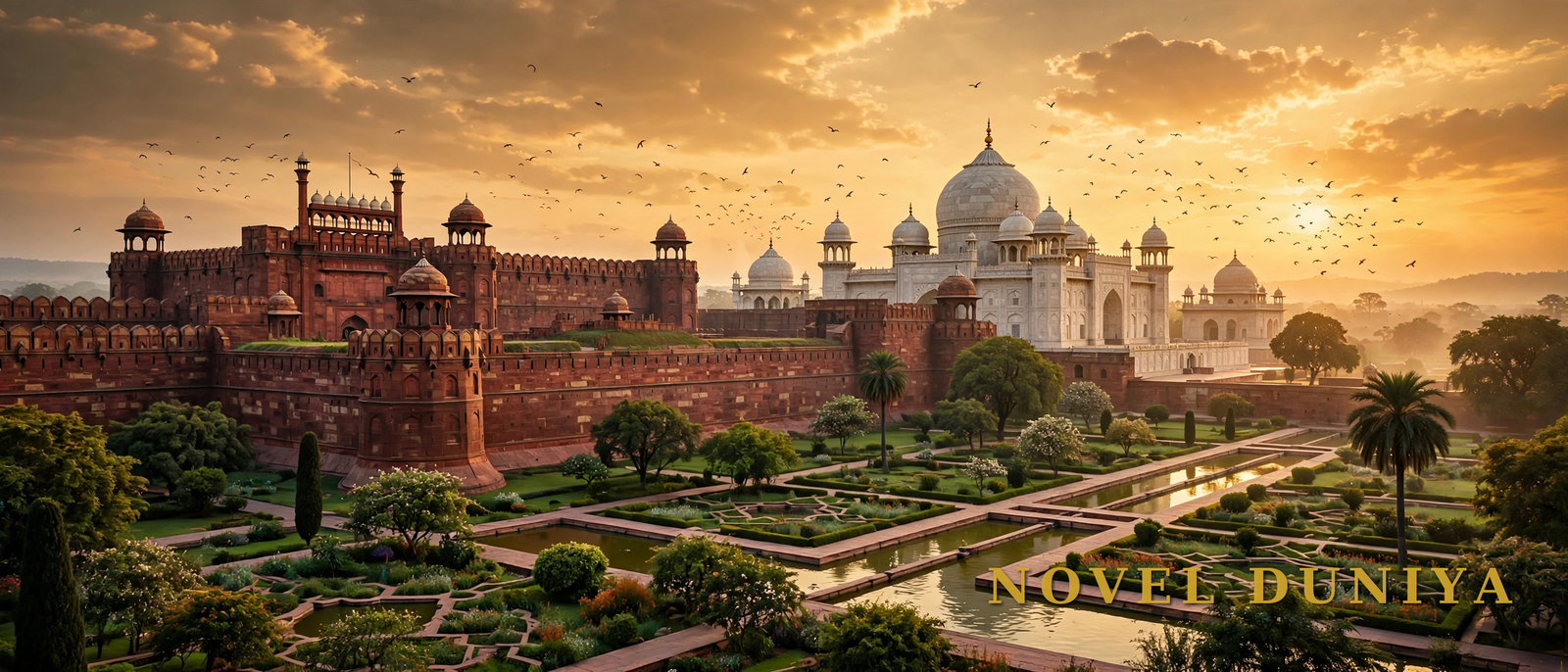
The Mughal era. Courts of marble and intrigue, emperors torn between love and duty — the Mughal period remains the most romanticized age in Urdu fiction. Stories set here blend grandeur with intimacy, where the fate of empires turns on whispered conversations.
Islamic Spain (Andalusia). The lost world of Cordoba and Granada inspired some of Urdu’s most beloved sagas — tales of scholarship and chivalry shadowed by the knowledge of a civilization’s fall. These novels carry a particular poignancy: beauty remembered in the knowledge of loss.
The partition era. Novels set around 1947 bring history closest to home — our grandparents’ generation, their sacrifices, their migrations. These stories remind readers that the comfortable present was purchased at a price.
Early Islamic history. Biographical novels of Muslim commanders and rulers — from Salahuddin Ayubi to Sher Shah Suri — form a proud tradition of their own, blending faith with adventure.
Pre-independence village life. A quieter, deeply loved strand: novels set in the final decades of British India, where ordinary families lived through extraordinary times.

Classic Urdu Historical Novels Worth Reading
These are the verified landmarks of the genre — the titles every serious reader encounters:
- Khaak Aur Khoon by Naseem Hijazi — his most famous historical novel, in four volumes, on the sacrifices of the Muslims of the subcontinent. Hijazi is the legendary name in classical Urdu historical fiction.
- Aag Ka Darya by Qurat-ul-Ain Haider — an epic sweeping across centuries of South Asian history, celebrated for its scope and literary brilliance.
- Umrao Jaan Ada by Mirza Hadi Ruswa — the poignant story of a courtesan in 19th-century Lucknow, rich in the culture, music, and poetry of a vanished era.
- Aangan by Khadija Mastoor — a partition-era family saga of tradition and change, published in 1962 and still widely read.
- Udaas Naslain by Abdullah Hussain — a sweeping family story capturing the emotions and social upheaval around partition.
- Sholon Ka Kafan by Khan Asif — a historical novel on the life of Sultan Alauddin Khilji.
- Sultan Adil by Almas M.A. — the story of Sher Shah Suri, who ruled India for five remarkable years.
On Novel Duniya you can also explore our original guides to history-adjacent classics: Beli Rajputan Ki Malika by Nimra Ahmed (pre-independence village life), Raja Gidh by Bano Qudsia, Shahab Nama (memoir of the partition era), and Ali Pur Ka Aili.
Where to Start Reading
New to the genre? Start with Umrao Jaan Ada or Aangan — both are readable, moving, and not too long.
Want the epic experience? Khaak Aur Khoon and Aag Ka Darya are the big commitments, rewarding readers who love scope.
Prefer history with faith? The early-Islamic-history novels and our Islamic novels guide overlap beautifully here.
Short on time? Beli Rajputan Ki Malika is a compact historical romance — a gentle entry point before the classics.
Why Readers Love Urdu Historical Novels
- Time travel with feeling — history comes alive through human hearts, not dates
- Cultural roots — understand where we come from and why it matters
- Epic scale — empires, battles, and destinies larger than life
- Beautiful Urdu — historical fiction showcases the language at its finest
- Moral depth — great figures facing impossible choices
- Stories that endure — these novels are re-read for generations
Frequently Asked Questions
What are the best Urdu historical novels?
The landmarks include Khaak Aur Khoon by Naseem Hijazi, Aag Ka Darya by Qurat-ul-Ain Haider, Umrao Jaan Ada by Mirza Hadi Ruswa, Aangan by Khadija Mastoor, and Udaas Naslain by Abdullah Hussain.
Who is the most famous Urdu historical novelist?
Naseem Hijazi is the legendary name in classical Urdu historical fiction, famous for novels on Muslim history and the freedom struggle.
Are Urdu historical novels based on true events?
They blend real history with fictional characters and dialogue. The eras, major events, and famous figures are real; the personal stories are the novelist’s art bringing that history to life.
Which historical era is most popular in Urdu novels?
The Mughal era and Islamic Spain dominate the classics, while partition-era novels resonate most deeply with modern readers.
Are historical novels suitable for young readers?
Many are — they teach history through story. Some deal with war and politics, so parents may want to preview longer epics first.
What is the difference between historical and Islamic novels?
Historical novels are set in a real past era; Islamic novels center faith as their theme and may be set in any time. Many great works are both — see our Islamic Novels in Urdu guide too.
Where can I read Urdu historical novels?
Novel Duniya offers honest reading guides — themes, overviews, and FAQs for Urdu’s greatest historical fiction. We never host copied novel text or fake downloads.