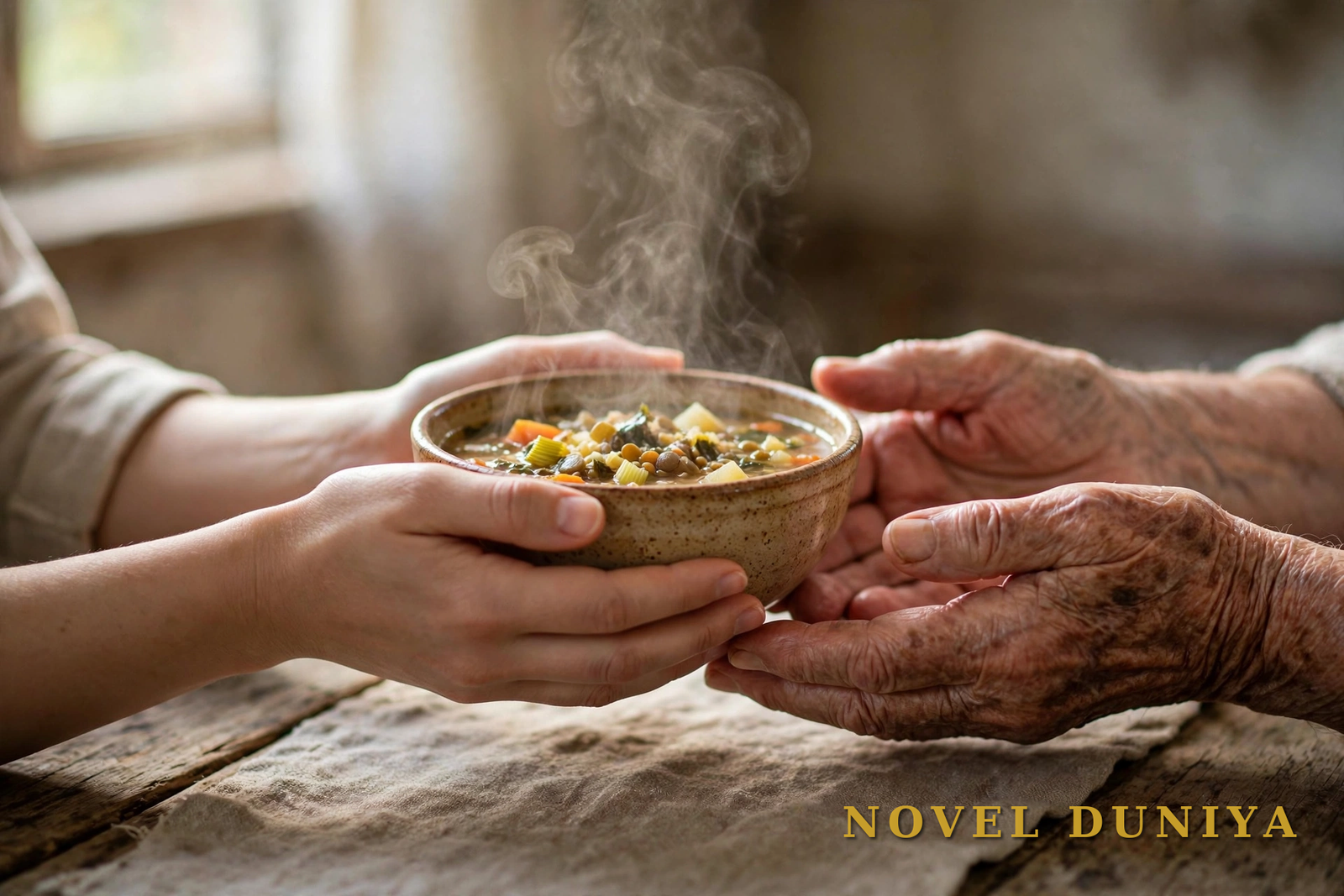
Kind Heroine Urdu Novels – Narm Dil Heroine
Kind heroine Urdu novels are love stories built around the gentlest kind of strength: a heroine whose kindness is not weakness but her defining power. She forgives, she cares, she heals — and the romance blooms when a harder, rougher world finally learns to value her softness. Honest truth first: nobody tags novels with the phrase “kind heroine.” This guide explains the wording puzzle, maps the shelves where she actually lives, and gives you an honest hunting method — without inventing a single title.
Quick summary:
– The trope: a gentle, kind-hearted heroine whose compassion drives the story
– The puzzle: no novel platform uses a “kind heroine” tag — the shelf is invisible under its own name
– Key confusion: “caring hero” tag shelves are about kind heroes, not heroines — the gender flip matters
– Where she lives: inside innocent-heroine, sweet-heroine, and caring-hero shelves under different names
– Core fantasy: watching the world finally learn to cherish the woman it underestimated
What Defines Kind Heroine Urdu Novels
A story built on this trope is defined by one quiet reversal: in a genre full of sharp tongues and hardened hearts, her softness is the point. She is not naive, though she may be innocent; she is not passive, though she may be gentle. Her defining trait is that she responds to cruelty with compassion — and the story’s engine is watching that compassion slowly disarm the people around her, especially the hero.
Her core conflict is the mirror of the classic Urdu romance: instead of the heroine softening a cruel hero, it is her kindness itself that does the softening. She does not fight the world’s hardness with hardness of her own. She outlasts it. And the romance begins when the hero — usually a man who has stopped believing in goodness — realizes that her gentleness is not fragility but the bravest thing in the room.
Every kind-heroine story asks one question at its heart: what if the softest person in the story is also the strongest?
The “Kind Heroine” Wording Puzzle
Here is the strangest thing about this trope: it barely exists as a search phrase. Type “kind heroine urdu novels” into Google and you will find no tag shelf, no dedicated list, no category page anywhere — not on novelsmafia, not on the listing platforms, nowhere. The phrase “kind heroine” is what English-searching readers type; Urdu fiction simply never adopted it as a label.
That does not mean she does not exist. She exists everywhere — she is just filed under other names. Novel platforms tag her as “innocent heroine,” “sweet heroine,” or “soft heroine.” Audio channels describe her as “masoom” or “gentle.” She is the single most mislabeled heroine in Urdu romance: everyone knows her, nobody calls her by her real name. Understanding this puzzle is the entire key to finding her.

The Caring-Hero Trap
The sharpest search trap on this shelf is the phrase “caring hero.” Type anything kind-related and the engines will hand you pages like primeurdunovels’ “Caring Hero Based Novels” archive — a tag shelf full of novels with gentle, devoted male leads. Those are kind heroes, not kind-hearted heroines. The gender flip matters: caring-hero novels are about a woman being cherished by a soft man; stories on this shelf are about a woman whose own kindness transforms the story. Same warmth, opposite direction.
If caring heroes are what you want, follow those shelves happily. But if you came looking for her gentleness — the female lead whose kindness is the engine — do not let the “caring hero” results redirect you. She lives elsewhere.
Kind vs Sweet vs Innocent vs Gentle: The Four-Way Map
These four heroines look identical from a distance. Here is how to tell them apart:
Kind heroine = compassion as power. Her defining trait is what she gives: forgiveness, care, healing. She is defined by her actions toward others. Her test: what does she do for someone who does not deserve it?
Sweet heroine = warmth as charm. She is delightful, affectionate, easy to love — but her sweetness is about her personality, not necessarily her moral choices. She is defined by how she feels to be around. Our sweet heroine guide maps her shelf.
Innocent heroine = inexperience as identity. She is sheltered, unworldly, unmarked by the world’s darkness. Her innocence is about what she has not yet encountered. Our innocent heroine guide covers her.
Gentle heroine = softness as manner. She speaks softly, moves carefully, never raises her voice. Gentleness is her style; kindness is her substance. The two often travel together, but a gentle heroine is not automatically a kind one.
She may be sweet, innocent, and gentle all at once — the shelves overlap constantly. But when you are searching, “kind” is the one word that points at her heart, not her manner.
The Kindness-as-Strength Reframe
It is worth saying plainly, because the genre rarely does: her kindness is not a flaw the story needs to fix. In story after story, she endures cruelty, betrayal, and misunderstanding — and the narrative rewards her not by hardening her but by vindicating her. The people who mocked her softness end up needing it. The hero who dismissed her gentleness ends up protected by it.
This is the trope’s quiet radicalism. Urdu romance loves its fierce heroines — bold, rude, strong — and they are wonderful. But she makes a different claim: that refusing to become cruel in a cruel world is itself a form of courage. Readers who have been told their whole lives that softness is weakness find this the most validating shelf in the genre.
Where to Actually Find Her: The Hunting Method
Since no platform tags “kind heroine,” here is how to hunt her honestly:
Search “innocent heroine” shelves. This is where she hides most often. Tag archives like primeurdunovels’ “Innocent heroin based novels” list dozens of titles — Aye Dil and Aitbar by Ummaima Mukarram, Ishq zar by Zaroon Ali, Sarab by Sara Urooj, Piya main teri by Husny Kanwal — and many of these heroines are kind at their core, not merely sheltered. Read the blurbs for compassion, forgiveness, and care: those are her tells.
Mine the caring-hero shelf sideways. Novels tagged for kind heroes often pair them with kind-hearted heroines — gentleness recognizes gentleness. When a “caring hero” blurb mentions a soft, forgiving heroine, she belongs on this shelf too.
Watch for the Urdu tells. In descriptions, look for words like masoom, narm-dil, rehem-dil, and mehermezaj — these are the Urdu fingerprints of the kind heroine. English tags will miss her; Urdu words will not.
Follow the sweet-heroine overlaps. Our sweet heroine guide maps the nearest neighboring shelf, and the two lists share members constantly.
Kind Heroine ↔ Evil Heroine: The Moral Poles Mirror
Here is a thought worth sitting with: the kind-hearted heroine and the evil heroine are the same woman at opposite ends of her story. One stayed soft; one hardened. One decided she would love the world anyway; one decided the world would fear her.
Both arcs begin in the same place — a woman who has been hurt. She answers pain with grace; the evil heroine answers it with armor. Readers who love one often end up fascinated by the other, because both ask the same question from opposite directions: what does pain make of a woman? If you came for the gentleness, our evil heroine guide offers its mirror — the darkest shelf in Urdu romance, and a surprisingly good companion read.
Who Will Love This Trope
This trope is for readers who are tired of being told that softness is weakness. If you love heroines who heal instead of fight, who forgive instead of avenge, and who win by staying good in stories that keep testing that goodness, the kind-heroine shelf — invisible as it is — will feel like home.
It is also for readers who love emotional payoff: the moment when the hard, cynical hero finally understands what he has been given, and the whole story exhales. Gentle romances do not shout. They arrive quietly, and they stay with you longer than you expect.
Frequently Asked Questions
Q: What is a kind heroine in Urdu novels?
A: She is a female lead defined by compassion — she forgives, cares, and heals, and her kindness drives the story’s emotional arc. She is defined by what she gives to others, not just by being gentle or sweet in manner.
Q: Is there a “kind heroine” tag on novel websites?
A: No — and that is the central puzzle of this trope. No Urdu novel platform uses a “kind heroine” tag or category. She exists on other shelves instead, most often filed under “innocent heroine,” “sweet heroine,” or described in Urdu as masoom or narm-dil.
Q: What is the difference between a kind heroine and a sweet heroine?
A: She is defined by her compassionate actions — what she does for others, especially the undeserving. A sweet heroine is defined by her warm, delightful personality — how she feels to be around. They often overlap, but kindness points at her heart while sweetness points at her manner.
Q: Are “caring hero” novels the same as kind heroine novels?
A: No — this is the sharpest search trap on this shelf. “Caring hero” tag shelves are about kind male leads, not heroines. Caring-hero novels show a woman being cherished by a gentle man; kind-heroine novels show a woman whose own kindness transforms the story.
Q: Which novels have kind heroines?
A: Honest answer: since no platform tags them, the verified route is through innocent-heroine tag archives — titles like Aye Dil and Aitbar by Ummaima Mukarram, Ishq zar by Zaroon Ali, and Sarab by Sara Urooj frequently feature heroines whose core trait is kindness, not just innocence. Read blurbs for compassion and forgiveness as her tells.
Q: Why is she so hard to search for?
A: Because “kind heroine” is an English search phrase that Urdu fiction never adopted as a label. The shelf is invisible under its own name. Search “innocent heroine,” “sweet heroine,” or the Urdu words masoom and narm-dil instead.
Q: Is this trope suitable for all readers?
A: These are among the gentlest romances in Urdu fiction — no dark themes, no heavy content warnings. They suit readers who love emotional, heartwarming stories. Readers seeking fierce or dark heroines will find more on the strong, bold, or evil heroine shelves.