
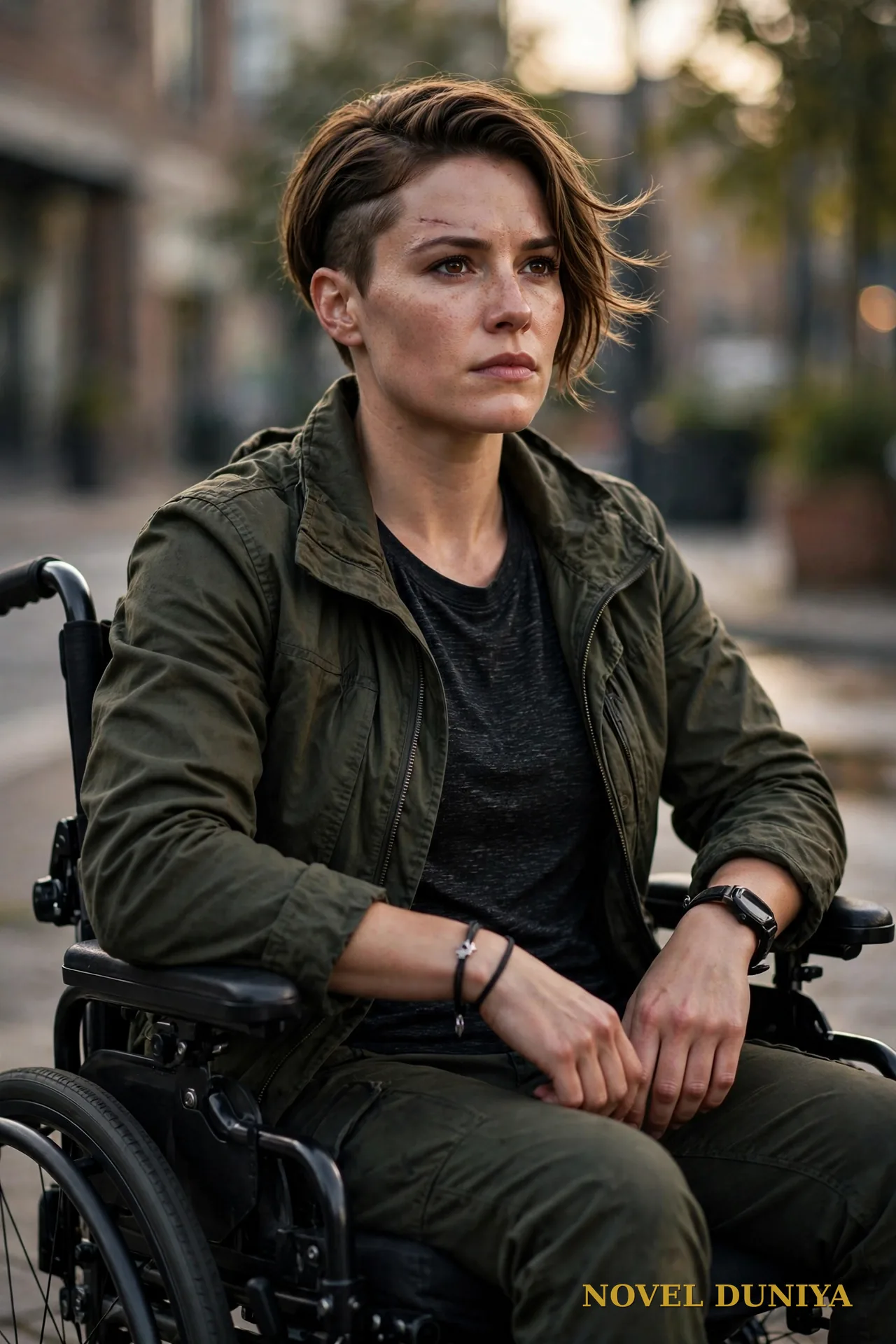
Crippled Heroine Urdu Novels – Mazoor Heroine
Crippled Heroine Urdu Novels – Mazoor Heroine
Crippled heroine Urdu novels are love stories built around a heroine whose body is broken — a mazoor heroine, a disabled bride in a wheelchair or on crutches, whose injury shapes how she is judged, married, and loved. These are among the rarest disability stories in Urdu fiction, where the most underestimated woman in the room turns out to be the strongest. This guide explains what this search really means, untangles the wording traps around it, and tells the thin-shelf truth honestly.
Quick summary:
– The trope: a physically disabled female lead — her injury is real in the story, not a metaphor
– Sharpest trap: the “crippled” English-word trap — the word lives on English sites (WebNovel), not in Urdu tags
– Second trap: the mazoor/majboor vowel trap — “mazoor” (disabled) and “majboor” (compelled) are one vowel apart and search engines mix them
– Third trap: the physical-vs-mental line — mentally disabled heroines belong to a different shelf
– Anchors: the “Disabled Heroin” audio bundle and Tere Ishq Diya Khaira Mangiyan by Pari Gull (both audio, flagged honestly)
– Core fantasy: strength proven without a whole body — courage that needs no legs
What Defines Crippled Heroine Urdu Novels
A crippled-heroine novel is defined by the body. Where the mute heroine cannot speak and the blind heroine cannot see, she cannot walk — or cannot use a limb, or carries the visible damage of an accident. Her world is built around what her body cannot do, and the story’s work is to show what the rest of her can.

The trope’s engine is underestimation. Almost every disability story in Urdu fiction runs on the same wound: a heroine married off to a man the world considers her caretaker rather than her husband, a family that treats the nikah like a charity case, a society that confuses a broken body with a broken woman. And then — slowly, through courage or crisis — the story proves what she knew all along: that her injury took her mobility, not her dignity, her will, or her heart.
This is the mirror image of the crippled-hero shelf. There, the injury is his and she must see past it. Here, the injury is hers and he must see past it. The grammar is the same; the direction is reversed.
The “Crippled” Wording Trap
Here is the first thing to understand about this search, and it explains everything: “crippled” is an English word, and Urdu fiction does not tag in English.
Search “crippled heroine” and Google hands you WebNovel — English Q&A threads about mute, blind, and “crippled” female leads in Chinese-origin translated fiction. These are not Urdu novels, they are not read by the audience that reads Urdu romance, and they will not give you the story you are hunting.
Urdu fiction, when it touches this character at all, uses “mazoor” (معذور) — the standard Urdu word for a disabled person — or the uploaders’ spelling “disabled heroin.” But even “mazoor” has no organized tag shelf. The novel sites, the YouTube uploaders, the digest archives: none of them maintain a “mazoor heroine” category. The word appears inside blurbs and audio tags, never as a label.
So the hunting rule: “crippled” in English searches leads you to the wrong language’s fiction. “Mazoor” in Urdu searches leads you to a shelf that was never formally built. The real stories hide inside second-marriage and doctor-hero blurbs, and you have to read the character descriptions, not the tags.

The Mazoor/Majboor Vowel Trap
The second trap is uniquely Urdu, and it catches nearly everyone: mazoor (معذور) means disabled. Majboor (مجبور) means compelled, forced, helpless-by-circumstance. One vowel apart. Completely different shelves.
Search engines do not hear the difference. A search for “mazoor heroine” returns “majboor” results — the compelled heroine, the forced-marriage bride, the majboor aashiq (compelled lover). These are real tropes with real grammars: the woman forced by circumstance, not by body. But they are not this page’s trope. Her constraint is physical; theirs is situational.
The rule: when a blurb says “majboor,” read on. If her helplessness comes from family pressure, poverty, or a forced nikah, you have found the forced-marriage neighborhood. If it comes from a wheelchair, crutches, or an accident’s visible scar, you have found this shelf. The vowel is the compass.
Physical vs Mental: The Other Shelf
The third trap is subtler, and it matters for honest browsing: physical disability and mental disability are two different shelves, and Urdu tags blur them under one word.
The YouTube result that the sibling hero page surfaced — Zindagi Yahi Hai Shayad by Nighat Abdullah, tagged “Mentally Disabled Hero Based Novel” — belongs to the other shelf here too. A mentally disabled heroine is a real trope with a real grammar: the innocent mind, the family’s shame, the hero who learns to love her simplicity. But it is not this page’s trope. Her mind is affected; her body is whole.
Do not let tag blur merge the two. A reader hunting this heroine wants the wheelchair, the crutches, the accident’s visible scar — the body as the wound and the proof. A reader hunting the mentally disabled heroine wants a different story entirely. Both deserve honest shelves. This page is only the first one.
Crippled Heroine vs Crippled Hero vs Injured Heroine
Three phrases circle this shelf, and they are not the same thing:
Crippled heroine is the character: a physically disabled woman as the romantic lead, defined by a lasting condition. This is the page you are on — the narrowest term, and one of the rarest shelves in the disability family.
Crippled hero is the mirror: a physically disabled man as the lead. His page documents the same honest verdict — no verified Urdu anchor, the English-word trap, the physical-vs-mental line. If you came here from his page, the map is identical; only the direction changed. See the crippled hero novels.
Injured heroine is the event: a heroine hurt in an accident — a crash, an attack, a fall — who may recover. The injury is a chapter, not the identity. Most “disabled heroine” stories in Urdu fiction, such as they are, live here: the hospital arc, the recovery, the hero who nurses her back. A lasting disability is rarer and heavier than a healing wound, and the two shelves feel nothing alike.
The practical advice: “mazoor heroine” finds the condition; “accident” finds the event; “wounded” finds the mood. Know which one you want before you search.
The Doctor-Hero Frame
Here is the pattern the research actually surfaced, and it is worth naming: where the disabled heroine appears in Urdu fiction, she almost never appears alone. She arrives inside a bundle — disabled heroine + doctor hero + second marriage.

The YouTube audio upload tagged “Disabled Heroin | Hero Doctor Base | 2nd Marriage Base” names the grammar exactly. He is a doctor — the one man professionally unafraid of a broken body. The marriage is often a second one — for him, for her, or for both — because a disabled bride is a “difficult” bride, and difficult brides get married in stories where the stakes are already complicated. The tags around the upload (cousin marriage, rude hero, forced marriage, sweet heroine) show the bundle’s full furniture.
This is not a verified novel with a named writer — the upload names no writer, and this guide will not invent one. But the pattern is verified: when Urdu fiction writes a disabled heroine, it reaches for the doctor hero and the second-marriage frame to make her lovable on the page’s terms. Hunt the bundle, and you hunt her.
Anchors, Honestly Labeled
Two anchors surfaced, and both are labeled exactly as found:
The “Disabled Heroin” audio bundle. A complete audio novel on YouTube, tagged “Disabled Heroin | Hero Doctor Base | 2nd Marriage Base,” with the doctor-hero/second-marriage grammar described above. No writer is named on the upload. It is included as a pattern anchor — proof the trope exists in the audio ecosystem — not as a verified title.
Tere Ishq Diya Khaira Mangiyan by Pari Gull. An audio novel whose upload tags include “Innocent Disabled heroin” alongside rude hero, police hero, revenge, haveli, and second-marriage tags. The writer is named (Pari Gull), which makes this the shelf’s most concrete lead — but it is audio-only, and the “disabled” tag sits inside a long bundle, so the heroine’s condition should be confirmed from the audio itself before treating it as the shelf’s anchor.
The boundary: Muniba Mazari. English-language results invoke Muniba Mazari — the real-life motivational speaker and artist who was paralyzed in an accident. She is a real person, not a fictional heroine, and her story is not a romance novel. Included here only so searchers know why her name appears: inspiration, not fiction.
The Four Faces of Her Stillness
She appears in four recurring shapes, and knowing them helps you find the flavor you actually want:
The accident bride. The most common face: a healthy girl injured in a crash or attack, married off quickly while she is still healing — because a “damaged” bride is a hurried bride. The forced-marriage frame is this face’s natural habitat.
The wheelchair heroine. The lasting-condition face: she has lived with her disability, and the story is not about her injury but about a hero who must unlearn pity. The rarest face, and the truest to this page’s trope.
The hidden-injury bride. Her disability is invisible or downplayed — a limp, a weakened limb, a scar she covers. The story’s tension is revelation: when does he see, and does seeing change anything?
The healing heroine. Strictly the injured-heroine shelf, but uploaders tag it here: the hospital arc, the doctor hero, the recovery. Her arc is the return of the body, and his devotion is the engine.
The Two Disability Heroines: Her Silence, Her Stillness
This page has a deliberate sibling: the mute heroine novels. Together they are the two disability heroines pair — the quietest and the stillest women in Urdu romance.
The mirror runs deep. In both, the story’s misreading engine works through her condition: the world mistakes her silence for emptiness, her stillness for helplessness, and the hero’s journey is unlearning the mistake. In both, the “disabled heroin” tag merges them, and only the character description tells them apart — one cannot speak, the other cannot walk. In both, the shelf is thin and the guide you are reading is among the first honest maps of it.
Read them as a pair and you will never confuse the two conditions again — and you will understand why Urdu romance keeps returning to the same question: what does love look like when it cannot use the usual channels?
How to Hunt Her Down
Since no organized shelf exists, hunt sideways:
Search “disabled heroin” — the uploaders’ spelling. Correct English (“disabled heroine”) finds WebNovel’s translated fiction. The misspelled tag finds the Urdu audio ecosystem. Language — and misspelling — is the compass.
Follow the doctor-hero bundle. “Hero doctor base” + “disabled heroin” + “second marriage” is the trope’s natural tag cluster. Where you find the bundle, you find her.
Watch the vowel. “Mazoor” is the body; “majboor” is the circumstance. Search engines mix them; you should not.
Read “innocent disabled heroin” tags carefully. The tag exists (Pari Gull’s upload proves it), but it sits inside long bundles — confirm whose disability the story describes before you commit.
Frequently Asked Questions
Q: What are crippled heroine Urdu novels?
A: Crippled heroine Urdu novels are love stories where the heroine is physically disabled — a mazoor heroine in a wheelchair or on crutches, whose lasting injury shapes the romance. The hero must see past her body, and the story proves her strength beyond it.
Q: Is there any famous crippled heroine Urdu novel?
A: No single famous novel defines this shelf. The closest leads are audio-only: a YouTube upload tagged “Disabled Heroin | Hero Doctor Base | 2nd Marriage Base” (no writer named) and Tere Ishq Diya Khaira Mangiyan by Pari Gull (tagged “Innocent Disabled heroin”). Both are flagged honestly as audio ecosystem finds, not verified anchors.
Q: What is the difference between “mazoor” and “majboor”?
A: “Mazoor” (معذور) means disabled — the body. “Majboor” (مجبور) means compelled or forced — the circumstance. They are one vowel apart, search engines mix them constantly, but they are completely different shelves: one is this page, the other is the forced-marriage neighborhood.
Q: Are crippled heroine novels the same as injured heroine novels?
A: No. A crippled (mazoor) heroine has a lasting condition — it is her identity in the story. An injured heroine was hurt in an accident and may recover — it is a chapter. Uploaders tag both as “disabled heroin,” but the shelves feel very different.
Q: Why do disabled heroine stories always have a doctor hero?
A: It is the trope’s natural bundle: the doctor hero is professionally unafraid of a broken body, which lets the story skip the pity phase. The audio ecosystem tags “Disabled Heroin | Hero Doctor Base | 2nd Marriage Base” together so consistently that the bundle itself is the hunting signal.
Q: Where can I find disabled heroine based novels?
A: Search the uploaders’ spelling “disabled heroin” (not “heroine”) on YouTube, follow the doctor-hero/second-marriage tag bundle, and read heroine descriptions inside second-marriage blurbs. Avoid the English “crippled heroine” search — it returns WebNovel’s translated fiction, not Urdu novels.
Q: Is the crippled heroine trope different from the crippled hero trope?
A: Yes — they are mirror images. In crippled hero novels, the injury is his and the heroine sees past it. In crippled heroine novels, the injury is hers and the hero sees past it. Both pages share the same honest verdict: the thinnest shelves in the disability family, mapped without padding.
Image 1 (after H1):
– File: crippled-heroine-urdu-novels.jpg
– Alt: Crippled heroine Urdu novels – a disabled heroine with quiet dignity
– Prompt: “A young South Asian woman in a wheelchair beside a sunlit window, quiet dignity and inner strength, deep maroon and gold palette with cream tones, elegant literary mood, horizontal 16:9, 1200×675, premium bookish style, respectful and tasteful, no text except headline ‘Strength in Stillness’ (max 6 words), mobile-readable. Bottom-right corner: small watermark with the Novel Duniya logo ([LOGO]) and the text ‘novelduniya.com’ beneath it, in a colour matched to this image’s palette (gold on dark images, deep maroon on light images, white with a light shadow on busy photos), slightly transparent, neat margin from the edges.”
Image 2 (before FAQ):
– File: mazoor-heroine-resilience.jpg
– Alt: Mazoor heroine novels – resilience beyond injury symbolism
– Prompt: “A single phoenix feather resting in warm golden light on dark wood, resilience beyond injury symbolism, maroon gold and cream palette, hopeful literary mood, horizontal 16:9, 1200×675, premium bookish style, no text. Bottom-right corner: small watermark with the Novel Duniya logo ([LOGO]) and the text ‘novelduniya.com’ beneath it, in a colour matched to this image’s palette (gold on dark images, deep maroon on light images, white with a light shadow on busy photos), slightly transparent, neat margin from the edges.”
Publish Checklist
- [ ] Last-updated date added
- [ ] Real author bio attached
- [ ] FAQ schema applied to the 7 Q&A above
- [ ] Internal links verified: /mute-heroine-urdu-novels/, /crippled-hero-urdu-novels/, /blind-heroine-urdu-novels/, /deaf-heroine-urdu-novels/, /innocent-heroine-urdu-novels/, /second-marriage-urdu-novels/, /doctor-heroine-urdu-novels/, /writers/
- [ ] Keyword volume verified in Ahrefs/Semrush
- [ ] Plot/writer details fact-checked (anchors labeled audio-only/unverified — no invented facts)
- [ ] No Pinterest pins (Syed does manually)